
Winner announced for World Autism Acceptance Month art competition
The winners of the North East Autism Society’s inaugural World Autism Acceptance Month art competition have been announced.
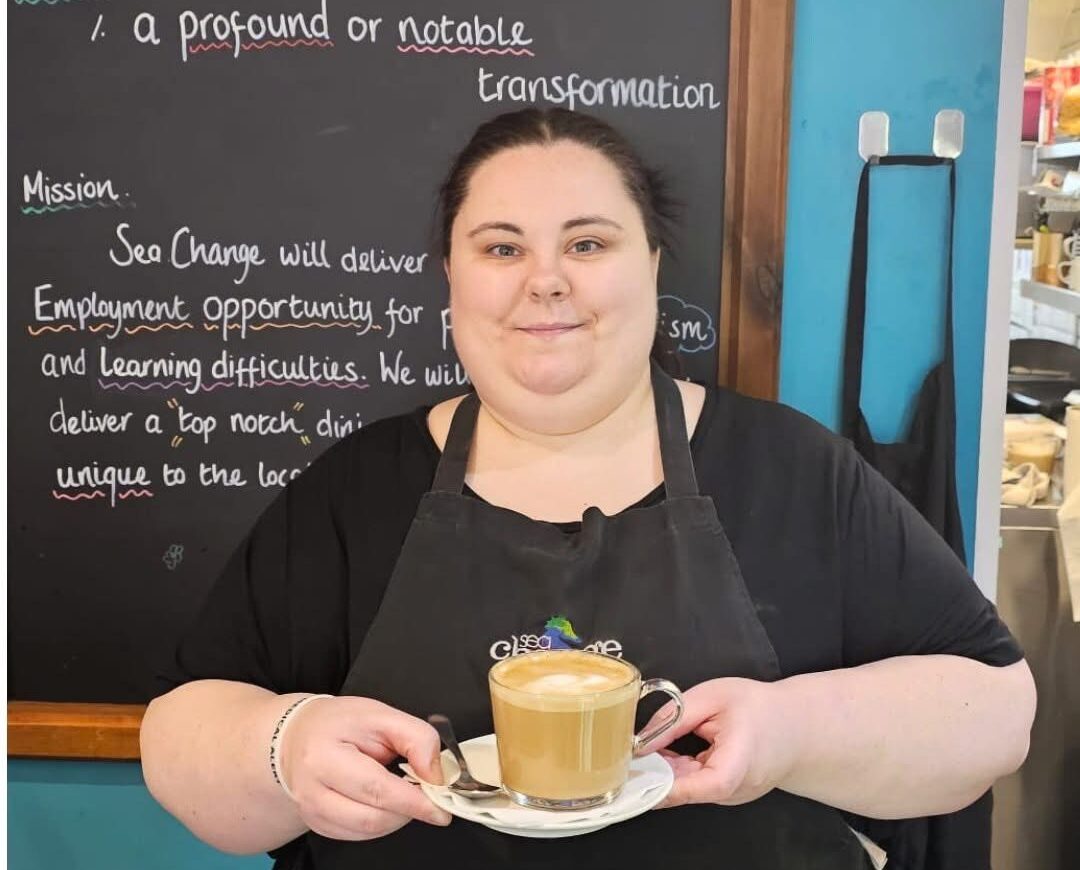
Since first opening its doors in 2019, Sea Change Café has been on a mission to turn the tide for autistic adults.
Founded as a proactive response to a lack of placement opportunities for adults on programmes with sister organisation AutismAble, the café aims to provide a working example of what autistic people, and those with learning difficulties, can do when given the right training and support.
Since starting, Sea Change has supported over 100 placements, with 25 going on to other paid work, including individuals working as a barista, in a pub kitchen, and as a support mentor at Sunderland College.
Sarah Farrell-Forster, founder and CEO at Sea Change, says:
“They’ve all said it’s been because they’ve been accepted at Sea Change. Just that acceptance is enough for some people.”
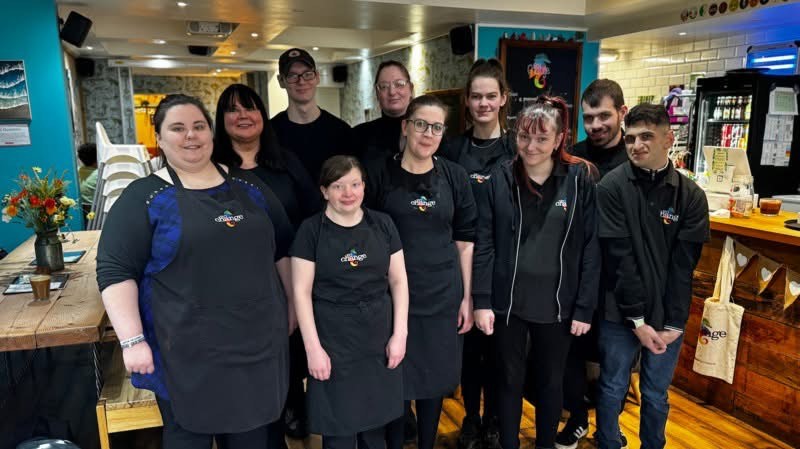
Beyond embracing acceptance, support mentors and supervisors work in the café alongside trainees, and work to set personal targets, with the training programme co-produced with neurodivergent staff.
“Everyone comes in as a trainee, and then there are levels – bronze, silver, gold, and rainbow,” Sarah says.
Sarah adds: “Everything is broken down. We have visual step-by-step instructions for everything. If there’s a to-do list that’s step by step, and all our cleaning instructions are coloured and step by step.”
Sea Change itself has developed as well, from its original location in South Shields, to opening a second café in Sunderland Museum & Winter Gardens in early March.
Lexie, who started working at Sea Change in 2019 and helped co-produce the café’s training, says: “Sea Change to me personally means having a chance, a chance to prove I can do things despite the struggles and barriers I encounter.”
Lexie adds: “For many neurodiverse people the chance to work is something we often have to fight for.
“If there were more safe, inclusive and supportive places like Sea Change, the challenge of finding and maintaining employment would be that much easier.”
Sarah says: “Hopefully when people see what we’re doing, they might see they could offer people something.”