




Key takeaways from the 2026 Acceptance Matters conference
The return of our Acceptance Matters virtual conference featured an inspiring panel of autistic speakers whose lived experience, research, and professional expertise offered deep insight into the challenges and opportunities facing autistic people today.
From reasonable adjustments at work to late diagnosis and the fight faced by those seeking a diagnosis, the conference covered a multitude of topics and prompted many thought provoking questions.
If you missed the conference, or you’re just looking for a handy recap, we have collated some of the key takeaways from each presentation below.
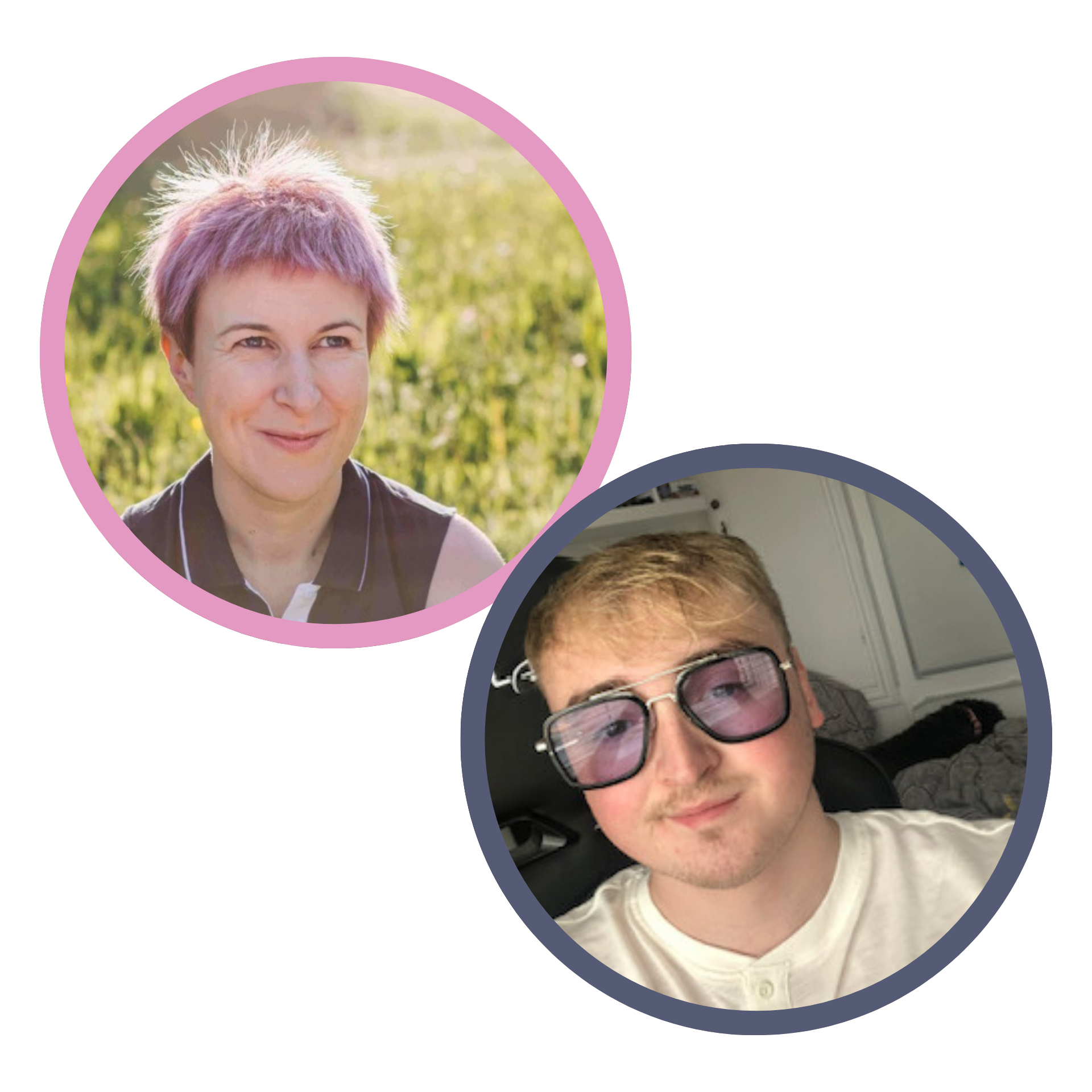
Sarah Meharg & Ben Usher-Barrass
Reasonable Adjustments in Work, Health, and Education
This session explored the challenges autistic people face when requesting reasonable adjustments, from communication differences to unclear systems and energy limits.
“When it comes to assistive technology, I find that it still holds a lot of stigma. Whether people actually listen to your words when using Augmentative and Alternative Communication (AAC), or make assumptions about your competency.” – Ben
“The bigger the organisation, it’s not always clear who’s going to be responsible for putting an adjustment in place, especially if there’s multiple people or multiple departments involved, actually translating it into action may be difficult.” – Sarah
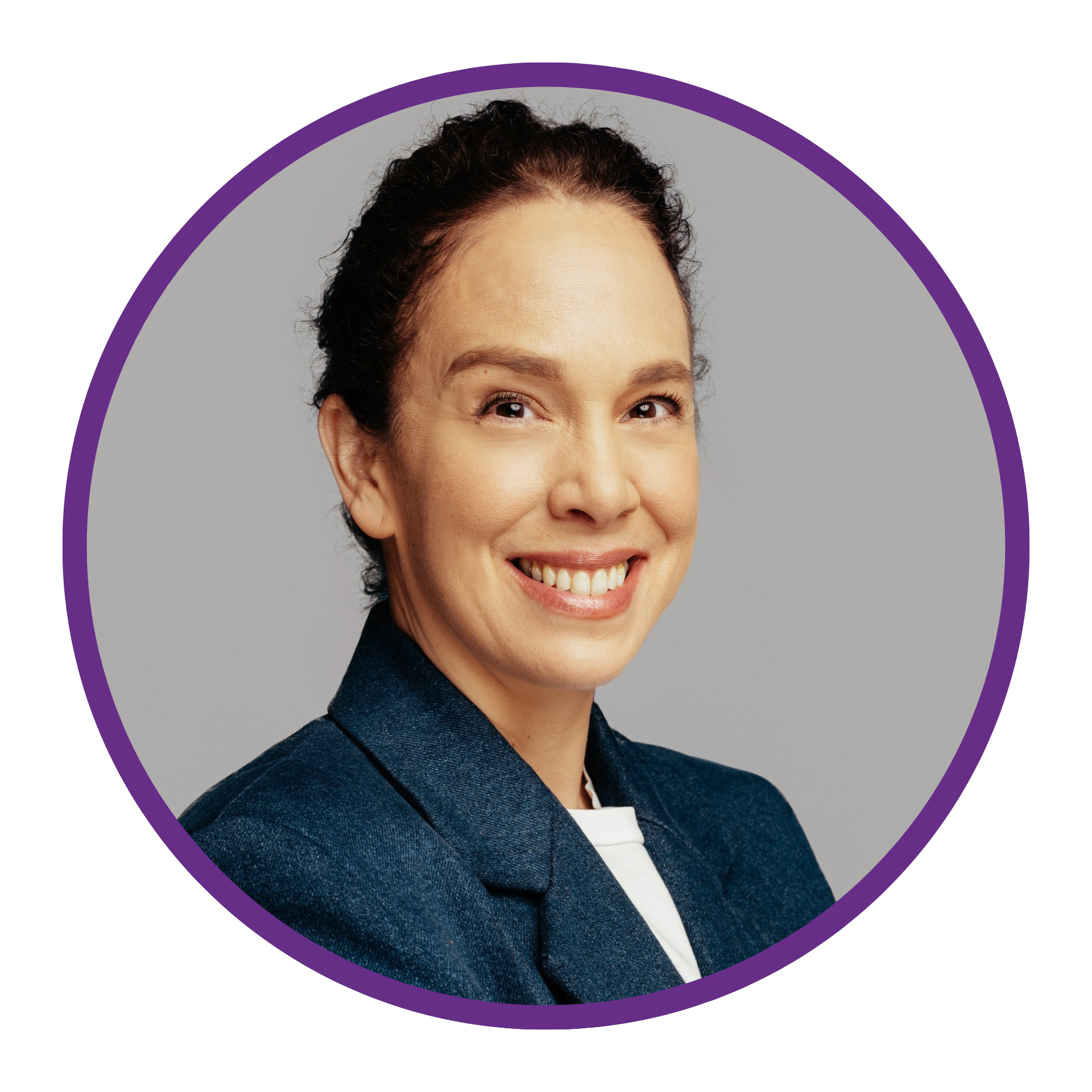
Charlie Hamilton
Beyond Professional Identification: Supporting Late‑Diagnosed Autistic Women
Charlie’s session shone a light on the unique journeys of late‑diagnosed autistic women, often navigating decades of masking, misdiagnosis, and misunderstanding before finally receiving clarity. The session also tackled practical barriers around employment, relationships, and examined what meaningful post-diagnostic support should look like.
“On average autistic women often wait two to three years longer, or in some studies six years longer, for a formal diagnosis than autistic men. Think about what two to three years means in our life, think about what it means for a child, think about what it means for a woman in her forties who has already waited four decades.”
“Existing services weren’t built for autistic women. Retrofitting is not enough, we need to design something different… Neuro-affirming support is possible. Autistic women are already showing us what it looks like. Our job is to catch up.”
“Autistic people and autistic women in particular are more likely than the general population to experience depression, anxiety, ADHD, sleep difficulties, and self harming behaviours… Too often these conditions are treated as the whole story, and the person leaves the services still not knowing who she is.”

Dr Luke Beardon
Where Has All the Energy Gone?
Dr Luke Beardon invited attendees to rethink what we really mean when we talk about ‘energy’ in autistic children and adults. Luke explored the emotional, sensory, and social energy autistic people expend each day and the risks involved when expectations ignore that reality.
“Being forced to sit still takes up an enormous amount of physical energy, as opposed to being allowed to engage in physical energy.”
“You don’t know what’s going to happen to your autistic children, never say to an autistic child that ‘this is going to mean something for the future’ you literally never know what is going to happen from one day to the next.”
“Autistic people are sometimes accused of having delayed processing, I’m not saying autistic people can’t have delayed processing… but what you see isn’t necessarily what you get. It might appear to be delayed processing, but it might actually be super quick processing, but if you’re processing 99-times more units of information as opposed to someone that’s processing three, that person can get through their three much quicker… You appear to be delayed when that’s not necessarily true.”

Tristan Kluibenschadl
The Fight: A Family Experience
Drawing on his work as an autistic advocate, parent, and former criminal justice professional, Tristan examined how institutional language and systems can create barriers – and how they can change. The session explored the everyday “fight” for diagnosis, support, and dignity, while offering practical ways professionals, employers, and services can move from compliance to genuine understanding.
“I just wonder how much we’ve moved on over the last few years in terms of language and understanding. Are we any better now? Certainly there’s pockets of improvement, but as a society are we listening to people, are we listening to our children, and are things improving?”
“We noticed that we as a family became quite isolated in the playground. Parents that we’d stood and spoken to previously now gave us a wide berth… and it was pretty obvious to us that we needed to get him into another school, because the school wasn’t playing ball with us.”
“We got a diagnosis… surely things have got to get better now, surely there’s help we can access, and help at school. But therein lay the next fight, because how wrong we were.”
A huge thank you to all presenters, attendees, and those behind the scenes, for making Acceptance Matters such a successful and inspiring event.
If you have any other questions about the topics discussed, please feel free to get in touch via the link below.
Keep in the Loop
Sign up for our newsletter to stay in the loop with all our latest news and events, gain access to exclusive resources, and be the first to know about our newest shop items and updates!