


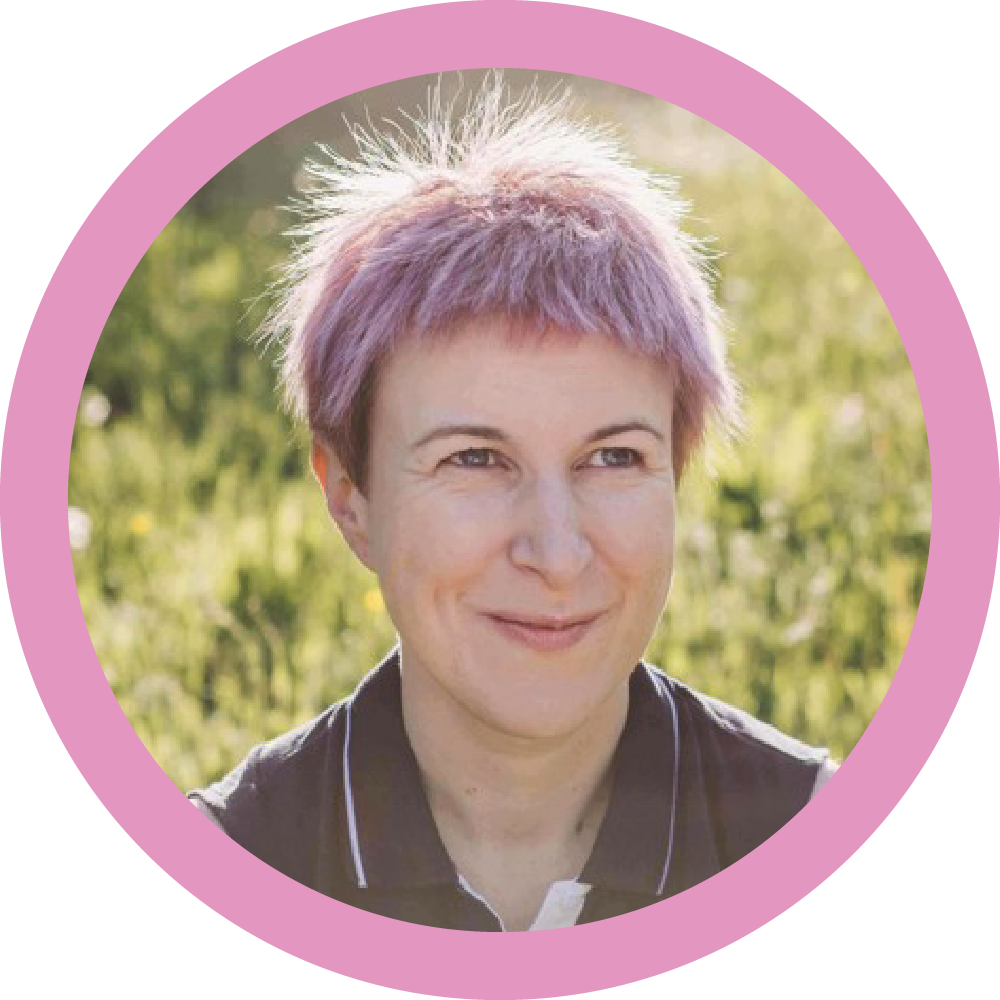
Charlie Hamilton
Charlie Hamilton
Charlie Hamilton is a neuroinclusion specialist and late-diagnosed autistic researcher with ADHD and dyslexic traits. Her doctoral research on neuroinclusion in higher education at Lancaster University is funded by the John and Lorna Wing Foundation.
She is a researcher in perceptual capacity (how much information an individual can consciously process and attend to at any given time) at UCL’s Centre for Research in Autism and Education, where she works under the mentorship of Professor Anna Remington. Charlie holds a Master’s degree in Applied Positive Psychology and Coaching Psychology and a Postgraduate Certificate in Autism.
As Fundraising Lead for the Autistic Girls Network, she has successfully secured significant funding and facilitates the organisation’s in-person peer support group in Ramsgate. Since 2017, Charliehas coached late-diagnosed neurodivergent women, combining her academic expertise with lived experience.
She is the Founder and CEO of Psalms & Sisterhood CIC, a community interest company supporting Christian neurodivergent women, and is training to become a Chaplain. Charlie‘s work integrates participatory research methodologies, evidence-based practice, and neuro-affirming advocacy across academic, clinical, and community contexts.
Beyond Professional Identification: Supporting Late‑Diagnosed Autistic Women
Many autistic women receive their diagnosis in adulthood, often after decades of masking, misdiagnosis, and misunderstanding. Whilst diagnosis can bring profound relief and self-understanding, it also marks the beginning of a new journey, one that requires thoughtful, practical support that is often lacking in current healthcare and social care systems.
This session explores the unique challenges facing late-diagnosed autistic women and examines what meaningful post-diagnostic support should look like. Drawing on lived experience and emerging research, we’ll explore the emotional impact of late diagnosis, including grief for lost years, identity reconstruction, and the need to unmask safely.
The session will address practical barriers, such as accessing reasonable adjustments in employment, navigating relationships with newfound self-awareness, and finding suitable therapeutic support from practitioners who understand adult autism in women.
Particular attention will be given to the multiple factors influencing late diagnosis, including how age, culture, socioeconomic background, and co-occurring conditions affect support needs. We’ll discuss why existing support models, often designed for autistic children or autistic men, frequently fail late-diagnosed women, and what person-centred, neuro-affirming alternatives might look like.