
Walker’s Hadrian’s Wall challenge for autism acceptance
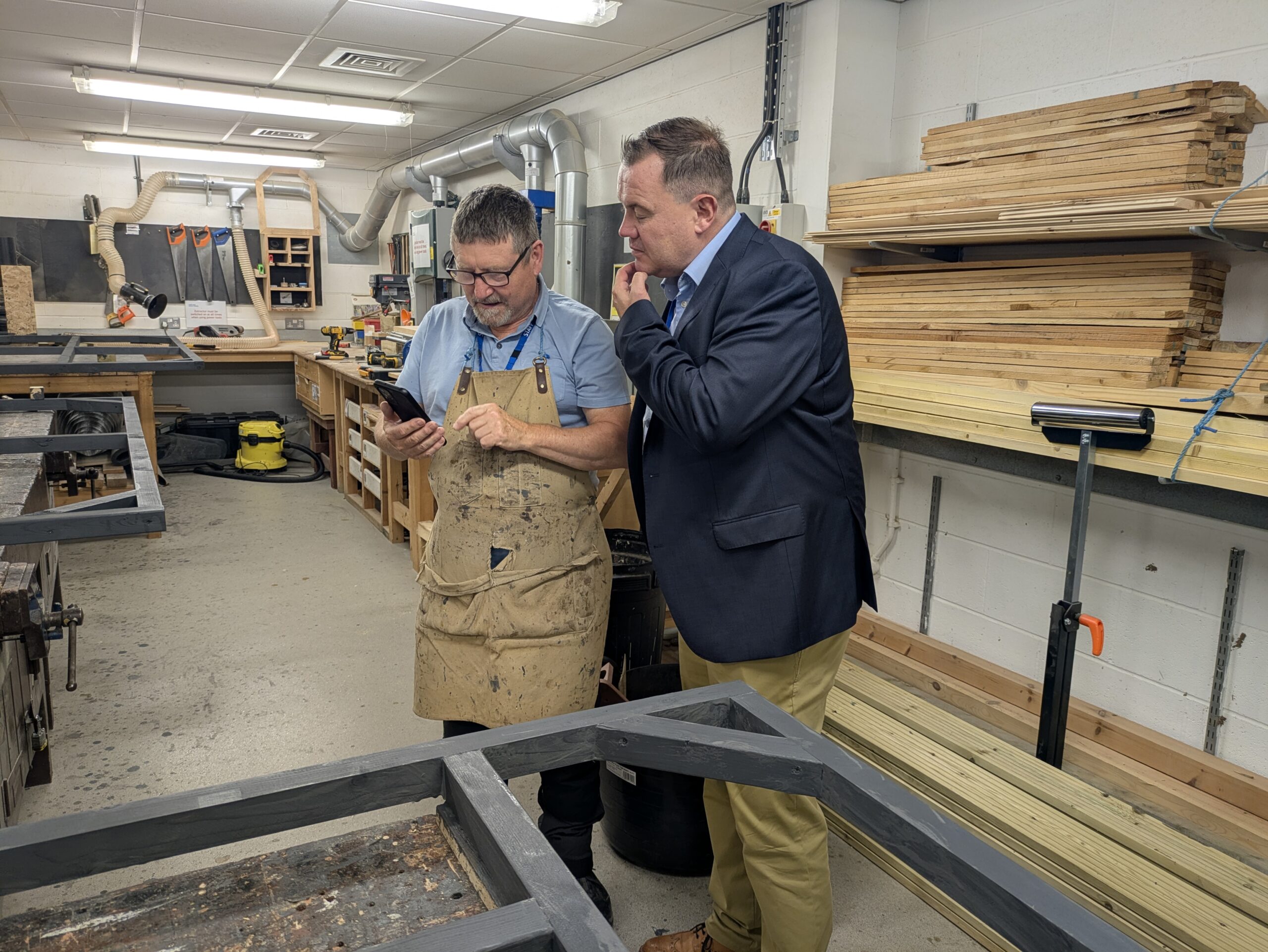
James Henderson, from Sunderland, hopes to spread acceptance and understanding two years after his own autism diagnosis, as he takes on an 86-mile trek along the Northumberland landmark.
TWO employees have praised Darlington Building Society for its “enlightened” approach to neurodiversity and called for other employers to follow its example.
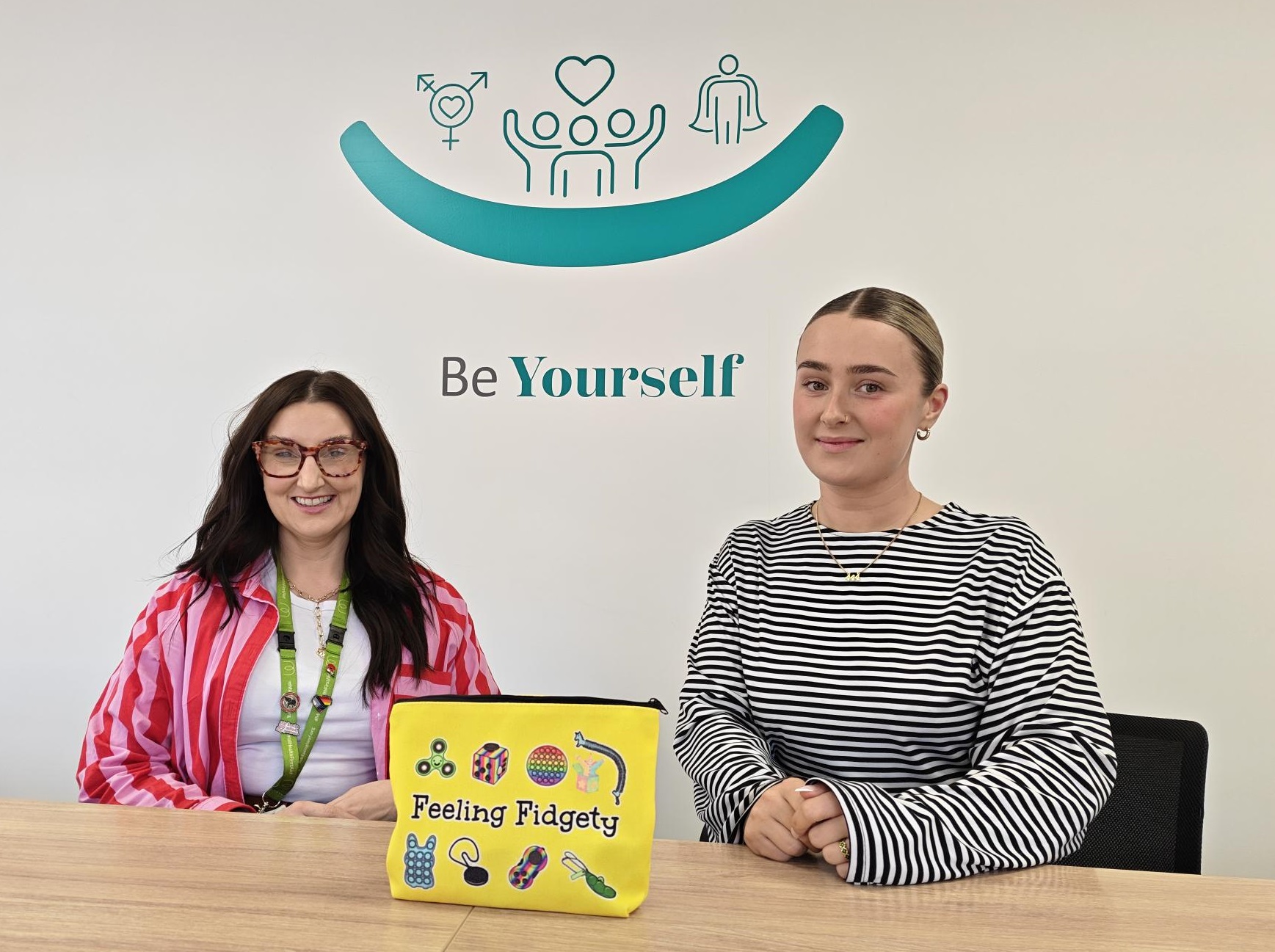
Meg Nicol and Alysse Rogerson-Liddle have told their stories during World Autism Acceptance Month to raise awareness of the business benefits of taking a positive approach to having a neurodiverse workforce…
MEG’S STORY
Meg, the Society’s People Operations Partner, grew up in Middlesbrough and faced challenges at school because she is dyslexic.
“There was a real stigma surrounding dyslexia in those days, with labels like ‘thick’ and ‘stupid’ being used,” recalls Meg. “As a result of not understanding what was going on, I found myself zoning out a lot and that led to me being labelled a daydreamer.”
When she entered the world of work, Meg saw both good and bad practice in her employers’ response to her condition.
“When it came to some companies and individual managers, their execution of the support that was needed wasn’t always what it should have been,” she says.
However, when she joined Darlington Building Society four years ago, she found an employer which focused on listening to her needs and putting adjustments in place to help her excel.
“I really valued that open, flexible, listening culture, and willingness to find the answers to whatever I needed,” adds Meg.
The creative use of IT solutions has been especially beneficial to Meg. For example, she is supported by an online app called Grammarly to help with her spelling and grammar.
The Society’s proactive use of artificial intelligence has also been invaluable, with Meg using the AI-powered Microsoft Copilot in her work.
“A lot of other businesses aren’t so open to AI but for people who are neurodivergent, it can have huge benefits., so organisations not using it are missing an opportunity,” says Meg.
Meg also appreciates the understanding the Society shows in providing a quiet space for her to concentrate on tasks, as well as adjusting the colours and founts used in training materials.
ALYSSE’S STORY
Alysse who grew up in Darlington, was finally diagnosed with Attention-Deficit/Hyperactivity Disorder (ADHD) when she was 22.
“My mum had tried for years to get a diagnosis through the NHS,” says Alysse, who joined the Society nine months ago as Internal Communications, Events and Marketing Officer.
“I always strived to do well at school, and worked really hard, but something didn’t click. I was good at coursework but struggled in exam conditions, which I found stressful.”
It was only after she was given an ADHD diagnosis privately that she could be prescribed medication through the NHS a year later.
Like Meg, she had mixed experiences with different employers while working in hospitality, sales and marketing. “In some jobs, I was well supported – in others I was just told to get on with it,” she explains.
“As soon as I joined Darlington Building Society, I was asked what worked best for me. It’s not like a lot of businesses where it has to be done a certain way – there’s genuine flexibility as long as the work gets done.”
For example, Alysse works best when she has structure and is given deadlines. Following discussions with her manager, she now uses a timer app that divides her working day into 40-minute sections to help with deadlines and structure.
Ahead of meetings, she is given a briefing, so she has a better understanding of what will be discussed, so she doesn’t feel overwhelmed and anxious.
GOING BEYOND GOLD
Last year, Darlington Building Society was presented with a Gold Standard Award by the North East Autism Society (NEAS) for its commitment to autism acceptance, including providing training for members of staff.
However, the Society isn’t resting on its laurels, declaring that it wants to “go beyond gold” by continuing to make improvements based on the NEAS philosophy that “small adjustments can make a massive difference”.
On the advice of NEAS, ‘Fidget Bags’ – containing a range of aids for neurodiverse employees – have been made available in all meeting rooms, with fidget toys also fitted to lanyards worn by employees.
Adjustments have also been made to the recruitment process, with fidget toys provided during interviews, and questions supplied in advance.
LESSONS TO BE LEARNED
Both Meg and Alysse believe there are important lessons to be learned from the example set by Darlington Building Society.
“It’s about developing a culture where the time and care is taken to listen, and to keep the conversations going, so adjustments can be made as and when they’re needed,” says Alysse. “It’s important to trial things and be prepared to change if it doesn’t work.”
For example, Alysse works best when she has structure and is given deadlines. Following discussions with her manager, she now uses a timer app that divides her working day into 40-minute sections to help with deadlines and structure.
Ahead of meetings, she is given a briefing, so she has a better understanding of what will be discussed, so she doesn’t feel overwhelmed and anxious.
Investing in expert guidance, such as the training provided by NEAS, is also key, according to Meg and Alysse.
“It was so enlightening when NEAS came in and gave everyone training,” says Meg. “It’s made such a difference in so many ways, increasing awareness, and the acceptance of people as individuals who all think differently.
“Every employer should set out to get a good level of education, so that they have a better understanding of what each employee needs to help them thrive.
“It’s about showing employers that being neurodivergent isn’t a problem but a strength. We would not be able to attract the level of talent we have as a business if we closed ourselves off to neurodiversity.”
FIVE TIPS FOR BUSINESSES FROM THE NORTH EAST AUTISM SOCIETY