Independent review into mental health conditions, ADHD and autism: Our response
Our statement on the findings of the Government’s independent review into prevalence and support for mental health conditions, ADHD and autism.

More than 200 neurodivergent and disabled people from across the region are set to participate in Working Together North East, the latest programme from the North East Autism Society’s (NEAS) Employment Futures team.
The programme, delivered in partnership with Azure Charitable Foundation, will help participants throughout the seven local North East Combined Authority (NECA) areas find work and improve their mental wellbeing.
Through personalised one-to-one support, job coaching, employer engagement, work placements, and progression pathways, Working Together NE will help remove barriers for its participants, promote inclusivity and accessibility, and enable employers to harness a wealth of untapped potential.
“We are changing the lives of those we work with,” says John Facchini, Employment Futures Manager at NEAS. “Thanks to our thriving relationship with Azure, we’re going to be able to work with more than 200 participants across more local authorities than ever before.”
“We are thrilled to be involved in this new project,” says Tracey Summerbell, Employment Services Manager for Azure. “The success of previous programmes will stand us in good stead to continue our work in supporting neurodiverse individuals on their employability journey.”
Working Together NE is tailored to the needs, strengths, and interests of every individual. The dedicated team works closely with participants, and employers, to break down barriers, and enable every individual to fulfil their full potential.
Once enrolled with Working Together NE, participants will benefit from bespoke personal and wellbeing support, financial and practical help, community and social development, employment preparation and progression; and a range of specialist opportunities.
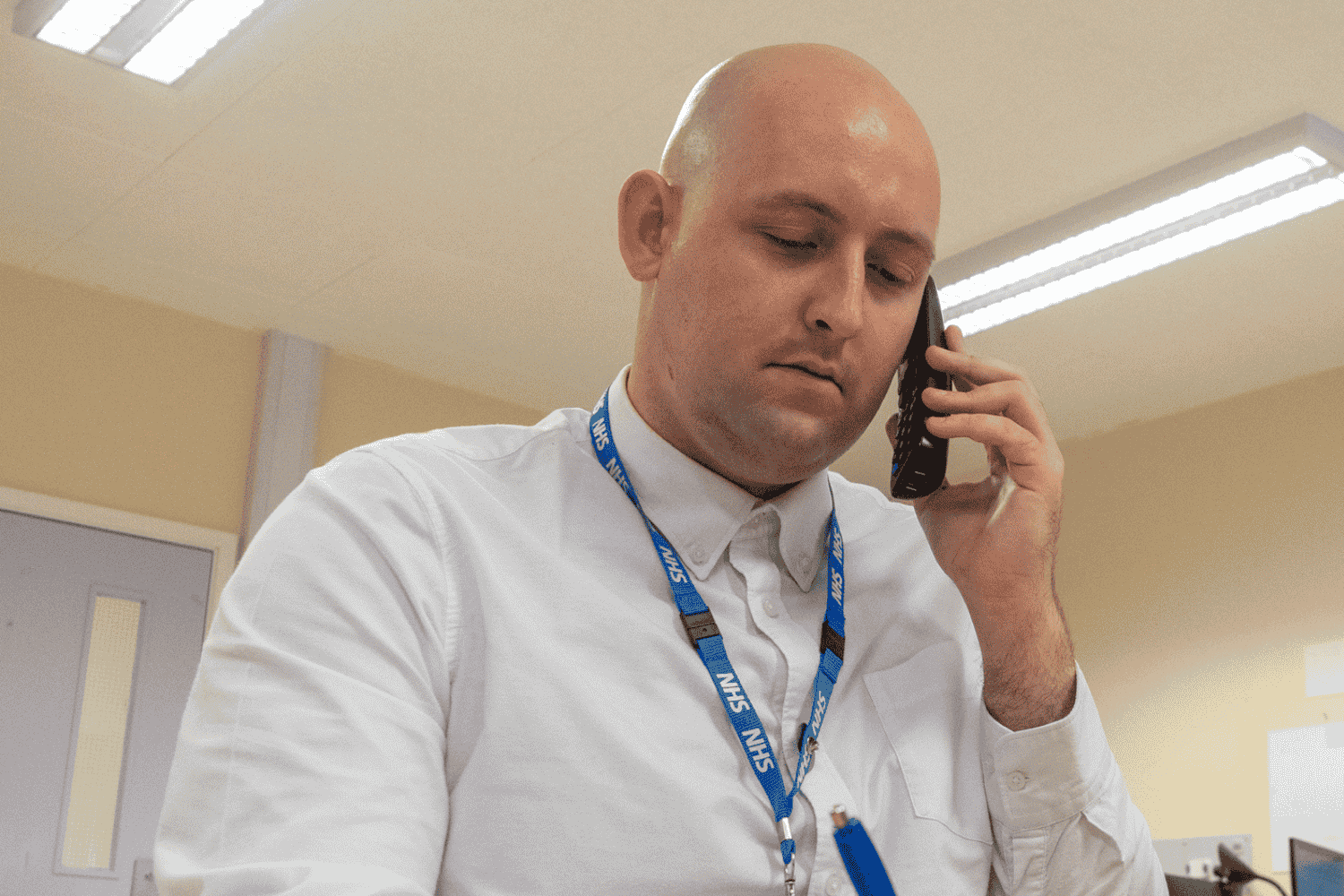
Past programmes run by NEAS and Azure have allowed the team to build relationships with a range of regional employers, which new participants can benefit from.
John says: “We’ve engaged with about 450 employers over the last two years, and we’ve potentially got up to 50 work placements already; that’s individual employers offering multiple work placements.”
Employment specialists from Working Together NE work one-to-one with employers to champion inclusive work practices, help implement reasonable adjustments, and provide in-work support to participants.
The offer aims to benefit both participants and employers and includes neurodiversity awareness training and workplace assessments, to find out what can be done to make workplaces more accessible for neurodivergent individuals.

Anyone over the age of 18 deemed ‘economically inactive’ by the local authority who is neurodivergent, has learning difficulties or disabilities, or who may be struggling with poor mental health, can access support.
“That’s anyone who hasn’t been looking for work in the past four weeks or isn’t ready to start work in the next two,” says John.
People who are classed as economically inactive must also not be in education, unless they have an Education, Health, and Care Plan (EHCP), and not receive any benefit other than universal credit or Personal Independence Payments (PIP).