
What is masking?
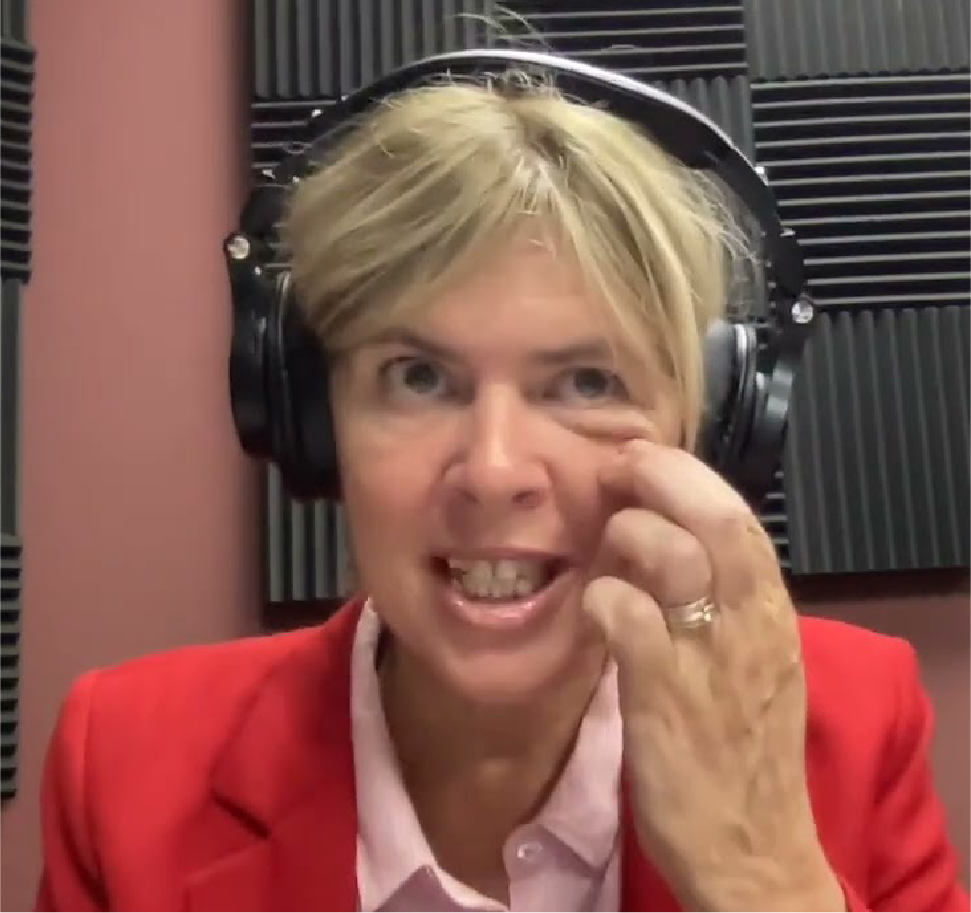
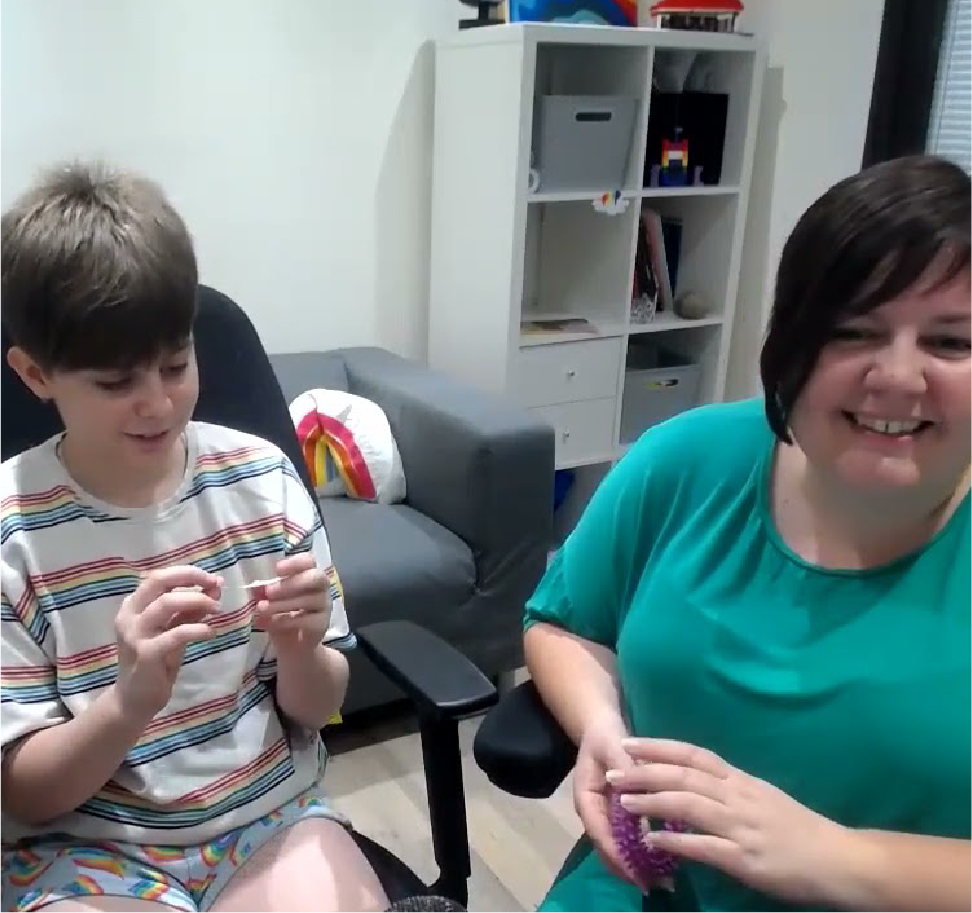
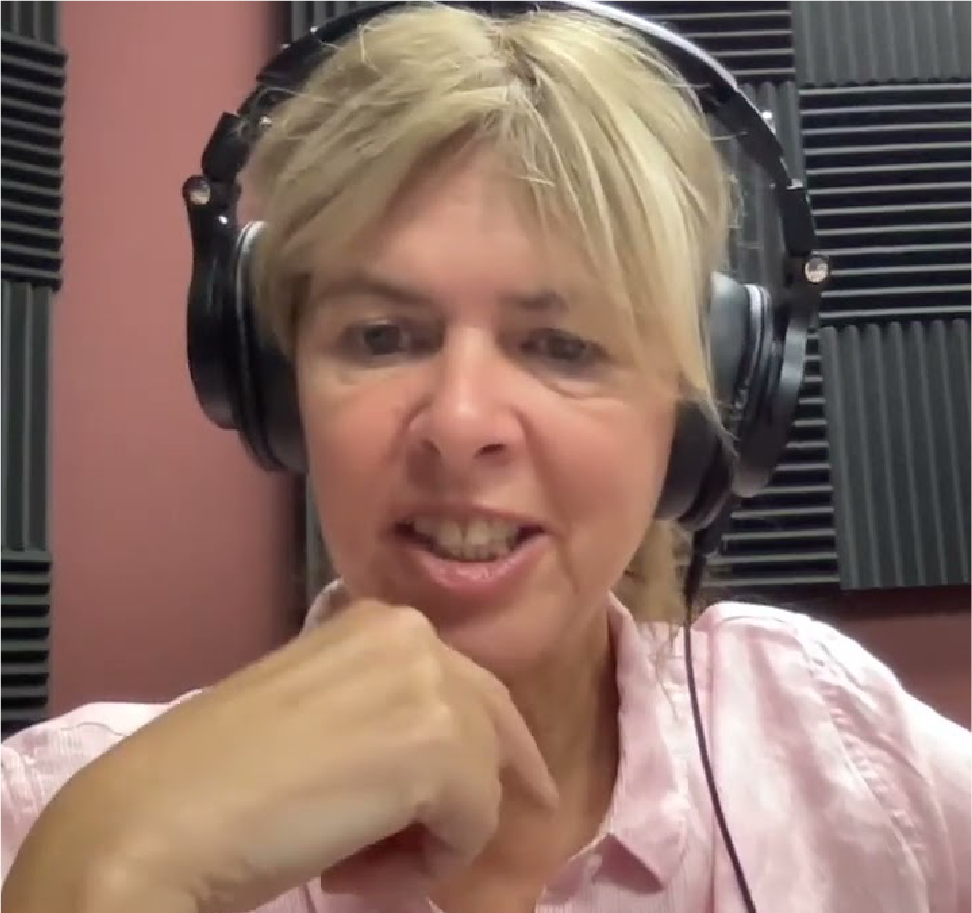
Kieran Rose, Dr Amy Pearson and Jodie Smitten explain what is meant by masking, what it looks like and how deep-rooted it can be.
All children are different, but if they change character when they go from school to home, or go into meltdown, or appear exhausted, it might be a sign that they are masking in public.
Sometimes there are smaller clues. They may use self-regulating strategies to decompress when they get home, or show their distress in subtle ways at school.
Parents should give them acceptance and a safe space at home, and advocate for them at school. But that can be difficult, and it’s up to education professionals too to understand and be alert to the signs of masking and distress.
Our family development service provides support for autistic people and their families pre, during and post diagnosis. The team is committed to providing the right support, at the right time and in the right way to ensure the best outcomes.
The team can offer different levels of support including:
The team also offer a wide range of free services for families including:

Click the link below to help us to continue making a positive difference to the lives of autistic individuals, and their families, across the region.
Donate now