
What is masking?
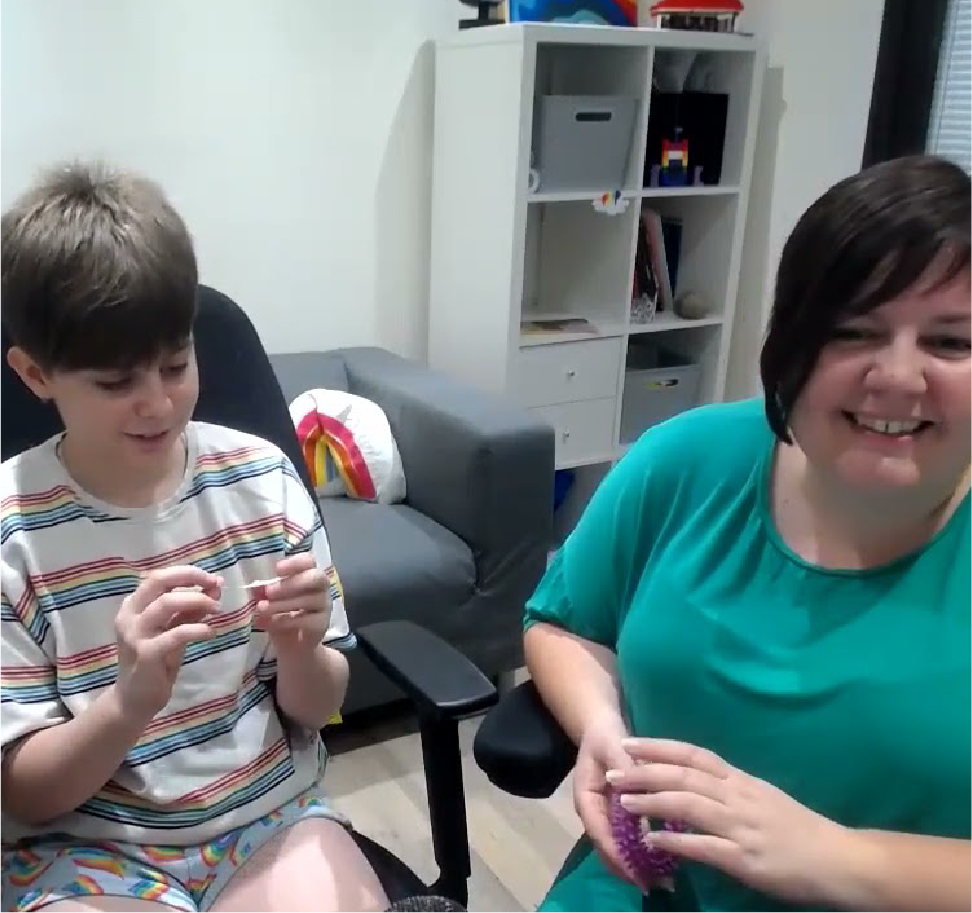
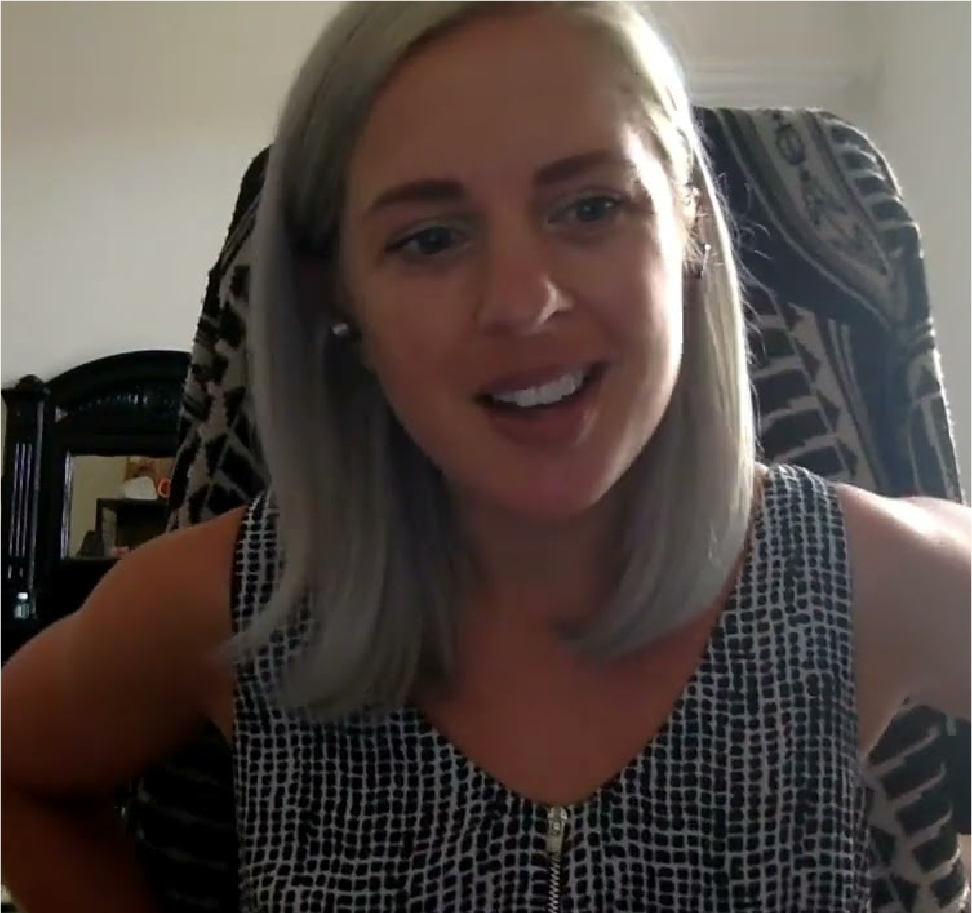
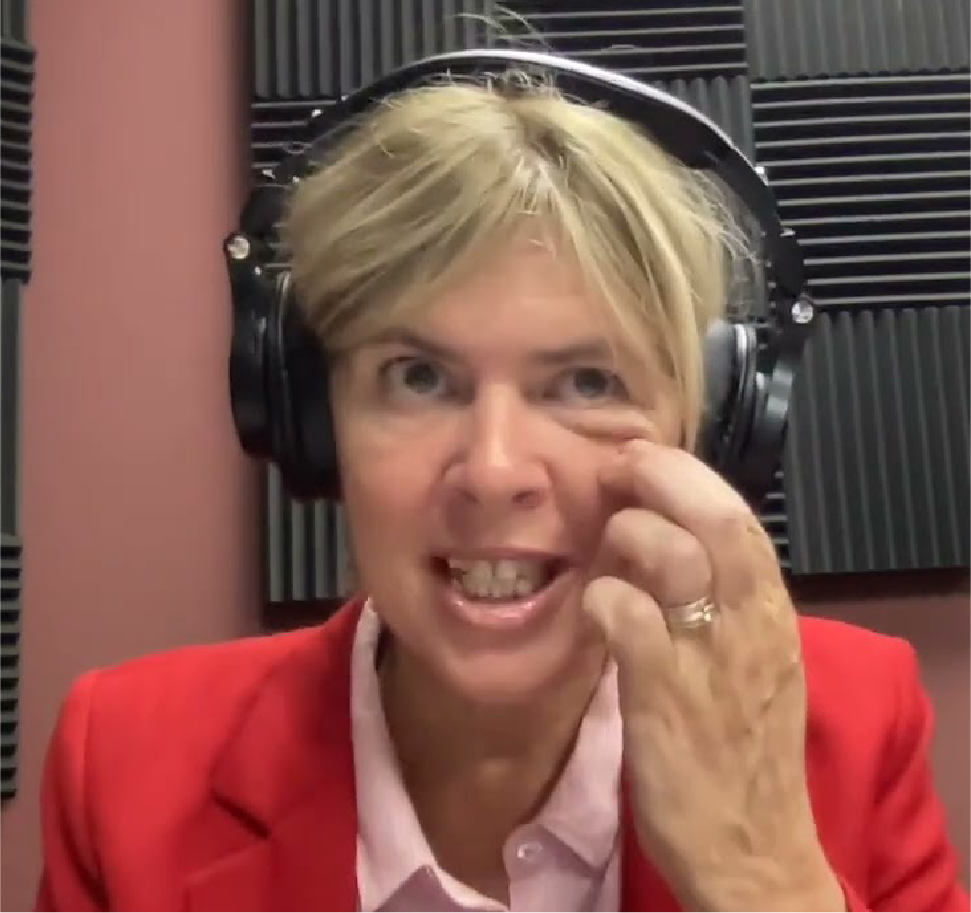
Kieran Rose, Dr Amy Pearson and Jodie Smitten explain what is meant by masking, what it looks like and how deep-rooted it can be.
Social stigma around behaviours that aren’t considered “normal” is one reason that people mask, in the hope of fitting in or staying safe.
Or people might mask when they’re feeling distressed or overwhelmed in a situation that is meant to be enjoyable. It can be easier to pretend to be OK than to be asked to explain why they aren’t.
In this video, Kieran Rose, Dr Amy Pearson and Jodie Smitten talk about their own experiences and explain that autistic people are often unaware they are masking until they hear about others’ experiences.
That’s why it is vital we all talk about masking and understand why it happens.
"It is a lightbulb moment for the young people I work with."
Our family development service provides support for autistic people and their families pre, during and post diagnosis. The team is committed to providing the right support, at the right time and in the right way to ensure the best outcomes.
The team can offer different levels of support including:
The team also offer a wide range of free services for families including:

Click the link below to help us to continue making a positive difference to the lives of autistic individuals, and their families, across the region.
Donate now