


NEAS releases first documentary on autism and airports


Film investigates how accessible airlines and airports are for neurodivergent people and their families
As millions of holidaymakers prepare to fly from the UK this summer, for some the airport journey will be nothing short of traumatic.
Autistic passengers face a whole range of challenges at the airport, from crowds, queues and noise to being searched at security.
Assistance at airports is available – but research shows that two-thirds of all passengers don’t know it exists, let alone what it involves or that it has to be booked via the airline.
Now the North East Autism Society (NEAS) has produced the first ever documentary on autism and airports to investigate what the challenges are for people, how assisted travel works, and where it can go wrong.

The film, called Hidden Barriers: Autism and Airports, found that:
- Autistic people can be left traumatised for months after a bad experience at an airport
- The support they are offered is often wheelchair-focused, even if they do not have mobility issues
- There are no set rules about what airports should provide, so no two airports are the same
- Passengers must book support through their airline in advance – but those bookings are not always passed on to the airports
John Phillipson, NEAS chief executive, says: “We heard from passengers who were told they’d have to sit in a wheelchair to get assistance, or who have been left to cope on their own with a distressed child after support didn’t show up.
“There is some fantastic assistance at airports, especially in the UK, but too often it is inconsistent or let down by poor communication from the airlines.”
The film calls on the aviation industry to put simple steps in place to make flying more accessible to those with hidden disabilities. It also provides a checklist to help autistic people and families arrange assisted travel at the airport.
Filmmakers worked with Newcastle and Teesside International Airports, both ranked as “very good” for accessibility by the UK regulator, the Civil Aviation Authority, and Glasgow International, ranked as “good”.
Support at airports like these can include pre-visits, dedicated security lanes, quiet routes bypassing duty free, assistance gates, and an escort for part or all of a journey.
But this assistance has to be booked via the airline that passengers are flying with, and that’s often where the system breaks down.
Tom Berwick, passenger operations manager at Teesside, says: “There are quite a few occasions where unfortunately the notification from the airline doesn’t make it through to the airport.”

That happened to Chloe Duncan, who booked special assistance with Ryanair for her autistic 10-year-old son when they flew from Newcastle to Alicante to visit family in Spain.
But airports weren’t notified of the booking. Chloe says: “At Alicante, staff wouldn’t help us and my son was very distressed. He was lashing out and lying on the floor screaming, while other passengers filmed us – it was devastating, and I will never attempt to take him on a flight myself again.” Ryanair was contacted for comment but didn’t respond.
The film’s release comes weeks after Baroness Tanni Grey-Thompson produced a government-commissioned report on how airlines and airports support disabled people. She made 19 recommendations for change and said: “We found there was inconsistent information on airports, navigating airports and getting assistance.”
As well as autistic passengers and their families, the film features interviews with autistic aviation experts, travel writers and campaigners, as well as airports and the industry regulator, the Civil Aviation Authority.
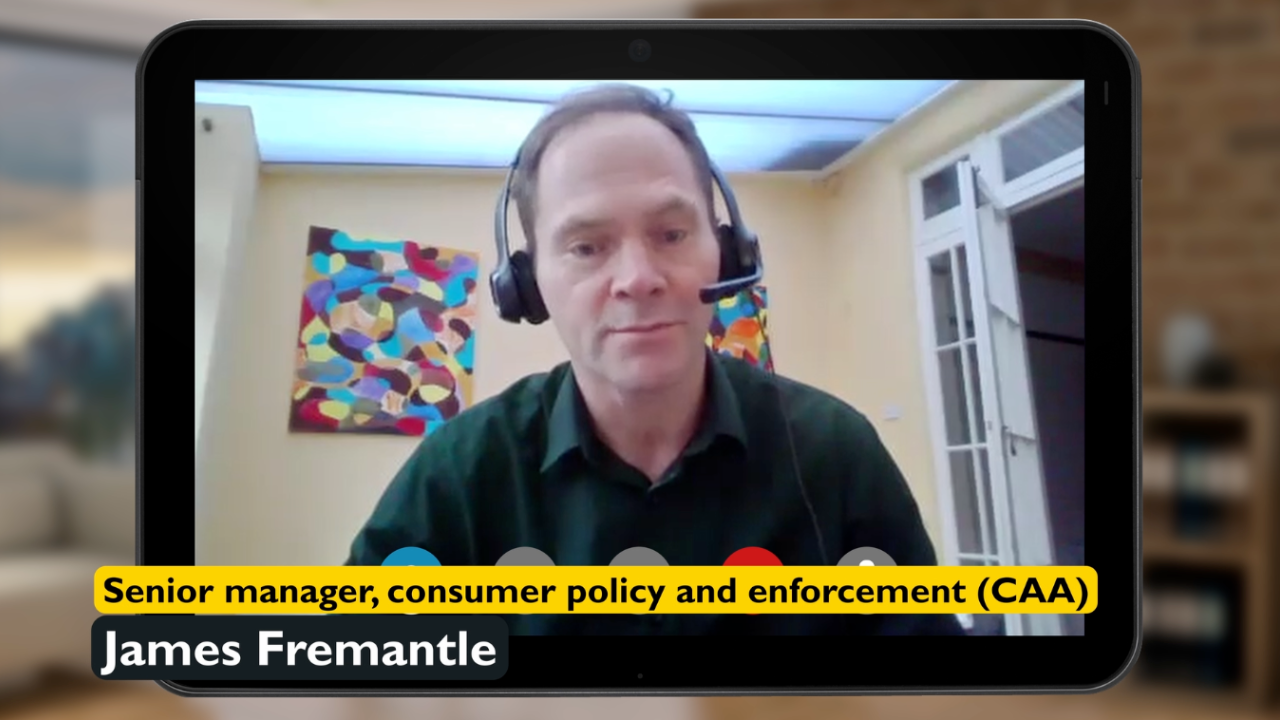
James Fremantle, senior manager, consumer policy and enforcement at the CAA, said he wished the regulator had greater powers to enforce consistent standards across airports.
“We don’t have the powers to fine which is different to many regulators across Europe and also across the world,” Mr Fremantle said.
This summer is expected to be the busiest ever for UK airports, with more than 24 million passengers expected to travel.
Around 2% of travellers request assistance at airports for disabilities, and research shows they are less satisfied with air travel than non-disabled passengers.