Mum praises hospital for easing daughter’s anxiety
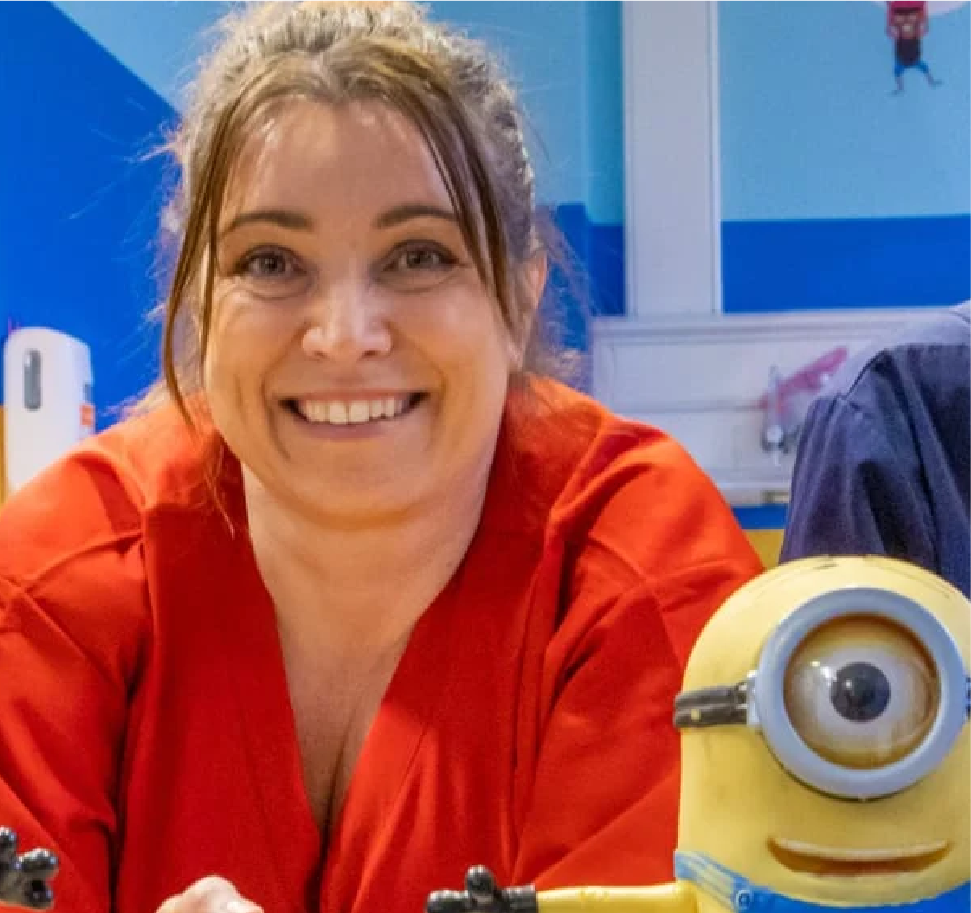
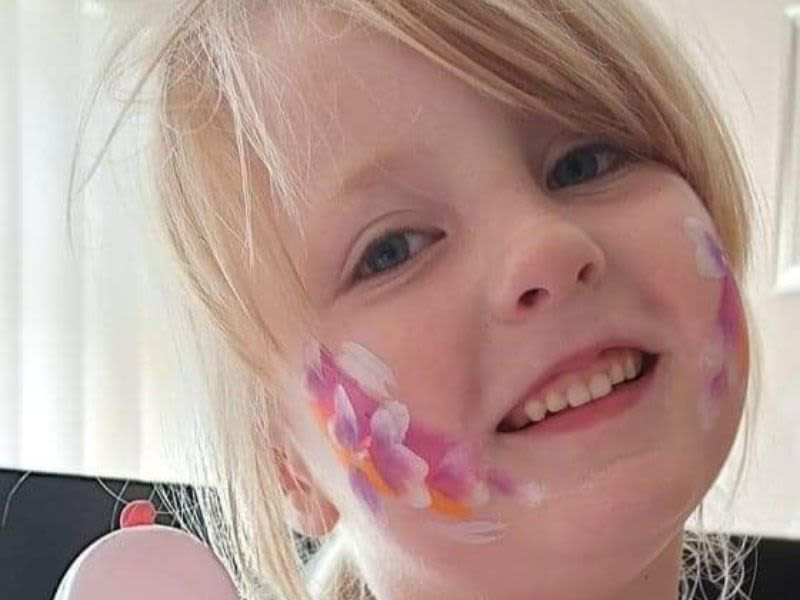
Jacqui Wright says she can't thank the staff at The James Cook University Hospital enough for the personalised care they gave her autistic daughter Isabella.
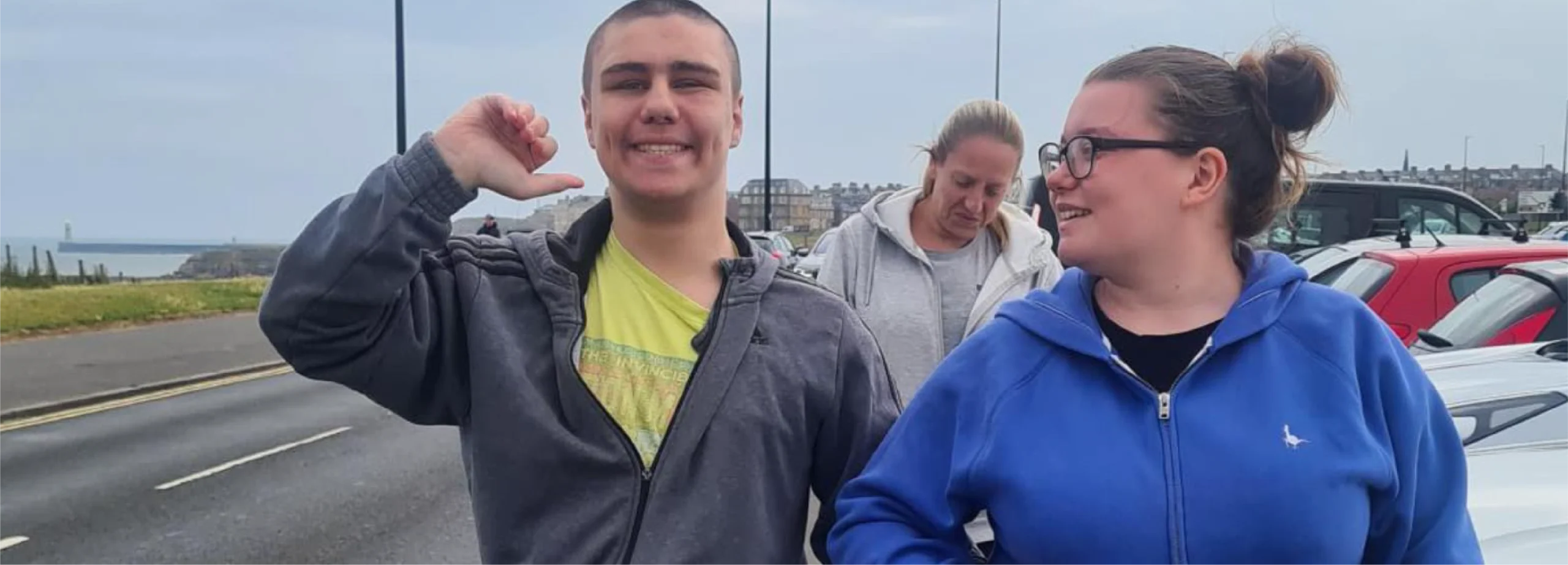
Luke, an autistic teenager who also has ADHD and learning disabilities, hadn’t had a medical check-up for years before he went into supported living with the North East Autism Society.
But the charity’s staff were determined to get him seen after they noticed his eye changing colour and his sight deteriorating.
What followed was an incredible four months of painstaking planning with Newcastle’s RVI hospital that led to the 19-year-old getting the operation that saved his sight.
Luke lives in Bedlington, Northumberland, with round-the-clock care. He sometimes injured himself but he couldn’t go to a GP surgery or hospital because he would get distressed.
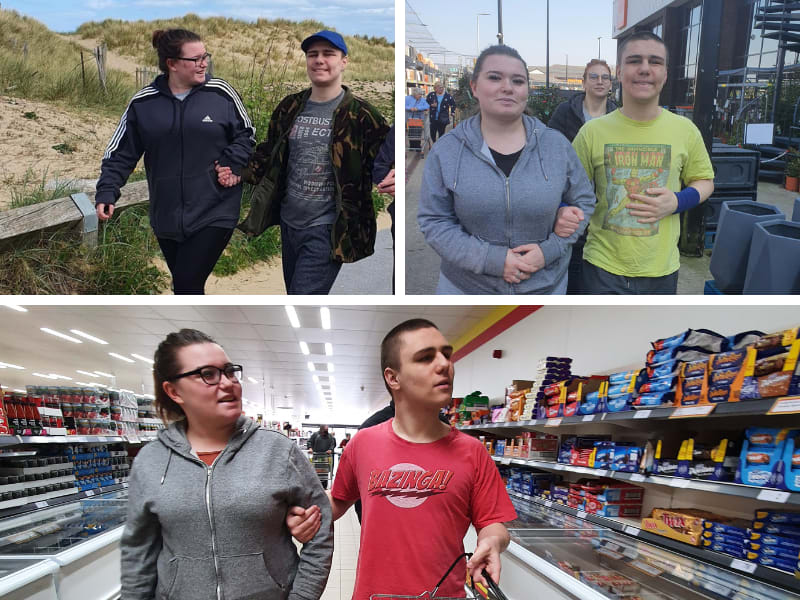
Initially, medics who went to his home suggested the eye colour change was down to eating spinach. Later, a hospital surgeon questioned whether treating Luke would make any difference to his quality of life.
But care staff persisted. “We had to argue that Luke relies on visual processing for all his enjoyment and engagement – computer games are his world,” said Christine Richmond, NEAS area manager.
Once a human rights practitioner ruled that the treatment should go ahead, Luke’s care team and RVI managers had to work out how to get him to hospital, sedated, into theatre and home again while keeping Luke and the people around him safe.
"It took 16 weeks of planning, sometimes with more than 20 people in the room including the RVI’s head of security, anaesthetist and bed manager."
The step-by-step plan involved:
“It all went seamlessly and the response from the hospital was amazing throughout,” Christine says.
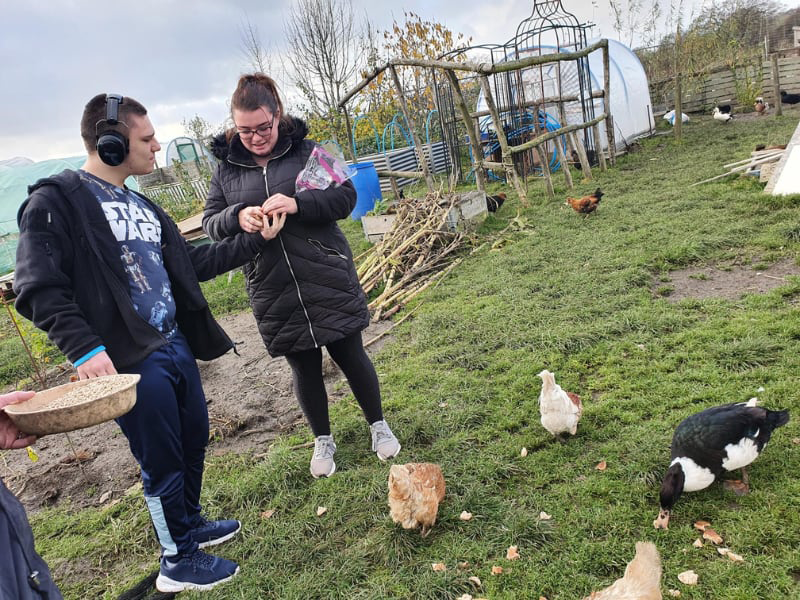
The plan was so successful that hospital consultants are going to use it again for an operation on Luke’s toe.
It highlights why so many autistic people and those with a learning disability struggle to access healthcare and suffer poor health outcomes as a result.
“None of it would have happened without all the hours of work we put in, and our understanding of the law and what Luke’s entitlement is. That would be a big ask of a relative or a home carer,” Christine says.
“Who is coordinating the care of less complex cases? There are probably thousands of people who are in pain or who have never had screening because they don’t have advocates to fight for them.”

Click the link below to help us to continue making a positive difference to the lives of autistic individuals, and their families, across the region.
Donate now