



Learning to drive: How autistic pupils can get the right support
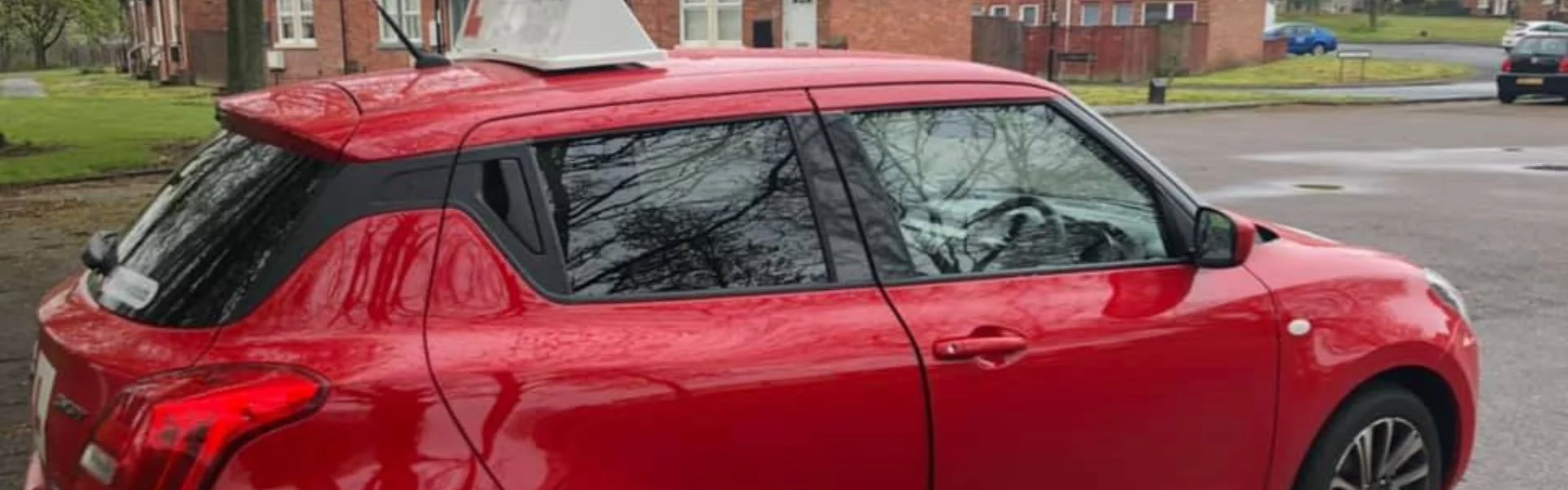
Learning to drive can be a nerve-wracking experience for anyone, but for those of us who are autistic anxiety may just be one of many barriers.
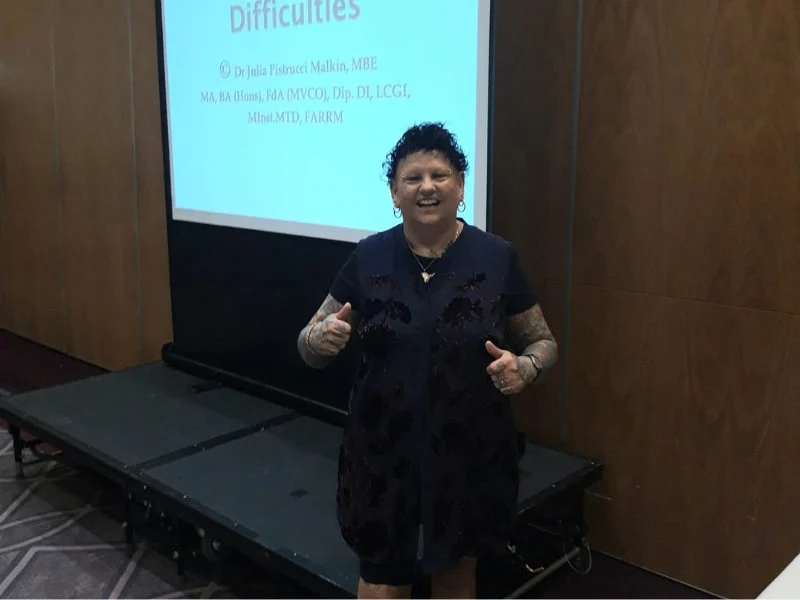
“It’s like learning a whole other language to learn how vehicles and other hazards on the road interact with one another,” said Dr Julia Malkin, who received her own autism diagnosis two years after qualifying as an approved driving instructor.
One of the UK’s most highly qualified driving instructors, Julia runs Excel Academy in Leicester, through which she provides a range of disability and neurodiversity focused courses to learners and instructors across the country.
Julia started designing courses to support neurodivergent driving students after identifying a need for more specialised instruction.
Julia said:
"I think a lot of instructors don’t have that patience to be able to say to pupils, ‘it’s okay, let’s just have a rest for a bit’ it’s just push, push, push. "
Additional Barriers
Julia said: “Some instructors are naturally patient and can give people more time, but others will need special training.”
Julia’s courses cover a range of topics designed to help instructors, from online workshops on a range of neurodevelopmental conditions, to one-to-one sessions based on supporting individual pupils an instructor may have.
Confidence building
The flagship of Excel’s training offer is the Revolutions course, which has been recognised with multiple industry awards.
“That’s actually done in car and involves role-playing an autistic pupil, asking the instructor what they would do in these situations, and breaking down their instructions because if I can’t understand it, a pupil won’t,” Julia said.
The course aims to clear up the language instructors use, and help them communicate effectively and clearly with neurodivergent pupils.
As well as instructors, Mike would like to see more neurodiversity training given to driving test examiners.
Anyone who has taken a driving test knows how nerve-wracking it can be, and Julia said: “We will have as much fear on the test day from the environment and the new people, and have double the amount of nerves as anyone else.”
Mike added: “I think there need to be more adequately trained examiners who really do understand the difficulties faced.”
For pupils nervous about upcoming tests, Julia offers confidence building and theory preparation courses that can be delivered online to pupils across the country.
Julia said: “There’s a lot of support I offer, right from designing things that will help them through the lesson to interpreting terminology the instructor uses. We can break it down into more detail for them and give them things they can ask the instructor to practice on.”
For more information on Excel Academy and the support Julia offers, visit facebook.com/juliapm.co.uk
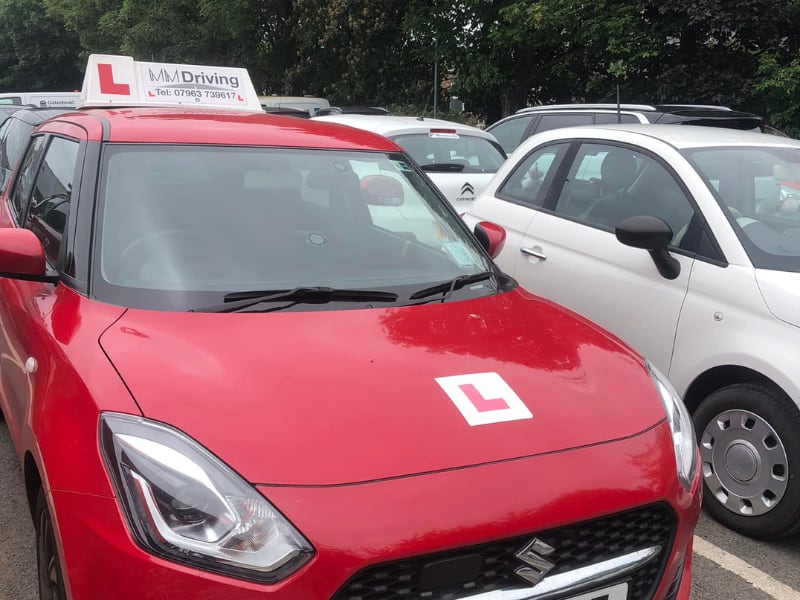
For more on learning with MM Driving, visit facebook.com/DrivingMM
When should you make a disclosure of autism on a licence or test application?
There is no legal requirement to disclose that you are autistic on a driving licence application, unless you think it may affect your ability to drive safely.
If you are uncertain whether your driving will be affected, the best thing to do is to talk to your doctor.
You may want to disclose that you are autistic when booking your driving or theory test, to allow for adjustments to be made that can help you on the day. The contents and standards of the driving test will not change, but reasonable adjustments may give you the confidence and conditions you need to pass.
Adjustments test centres can make on your theory test include:
Extra time to take the multiple choice section of the test.
Being able to listen to the questions through headphones, or have a member of staff read the questions and record your answers.
Having a member of staff reword questions to help you understand them.
Adjustments test centres can make on your practical test include:
Taking time with you before the test to discuss your needs.
Giving you additional time for instructions and directions on the test.
Asking whether you would prefer to follow signs or SatNav directions during the independent driving section of the test.
Unless your driving is likely to be affected disclosure is always your choice. If you would be more comfortable not making a disclosure, you do not have to, but test centres will not be able to make reasonable adjustments if a disclosure is not made at the time of booking.
A DVSA spokesperson said: “There’s no requirement for people to disclose a disability, although to ensure that every candidate is treated fairly, we would encourage disclosure so that reasonable adjustments can be made for them.”
Make a donation
Click the link below to help us to continue making a positive difference to the lives of autistic individuals, and their families, across the region.
Donate nowKeep in the Loop
Sign up for our newsletter to stay in the loop with all our latest news and events, gain access to exclusive resources, and be the first to know about our newest shop items and updates!