Walker’s Hadrian’s Wall challenge for autism acceptance
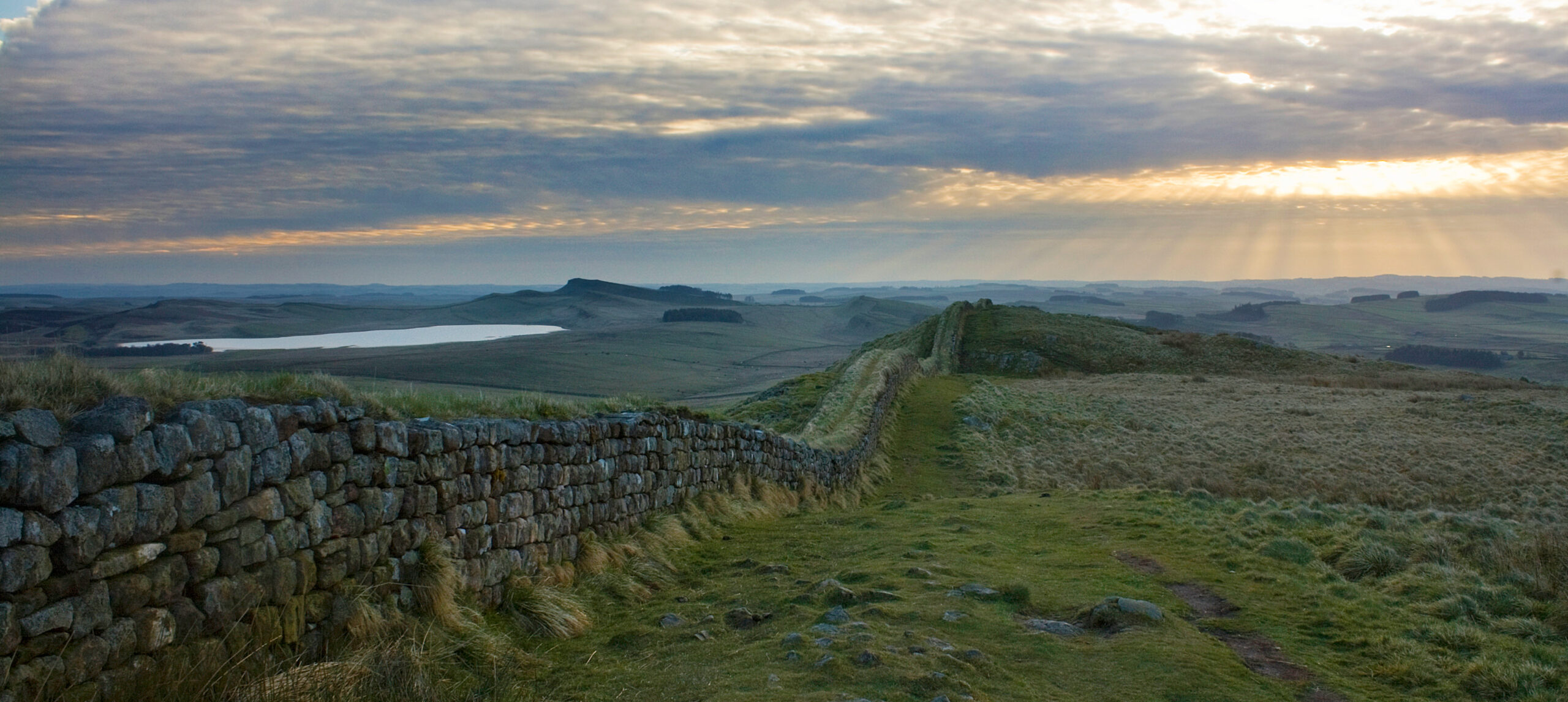
James Henderson, from Sunderland, hopes to spread acceptance and understanding two years after his own autism diagnosis, as he takes on an 86-mile trek along the Northumberland landmark.
As he nears the end of an illustrious career, John Phillipson remains as passionate as ever about changing the world for some of the region’s most vulnerable people.
He’s due to step down as Chief Executive of the North East Autism Society (NEAS) next year.
But before he does, he’s committed to ensuring his final, and perhaps most ambitious vision – to transform a County Durham farm into pioneering training centre for autistic and neurodiverse people – comes to fruition.
Last month, after years of planning, fundraising and engaging business support, the groundbreaking ceremony finally took place for the exciting £4.9m development that will also create a new visitor attraction at New Warlands Farm, near Burnhope.
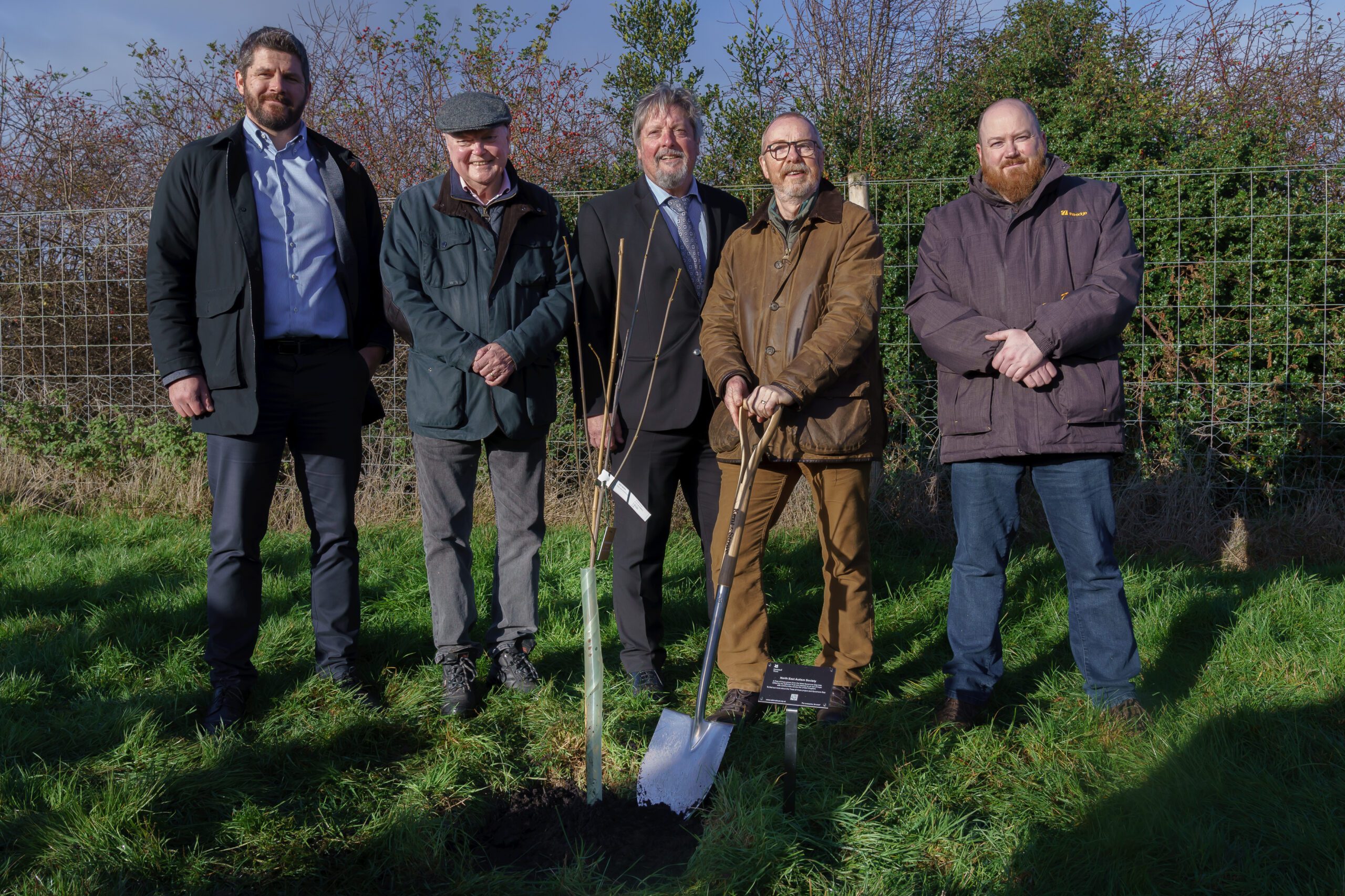
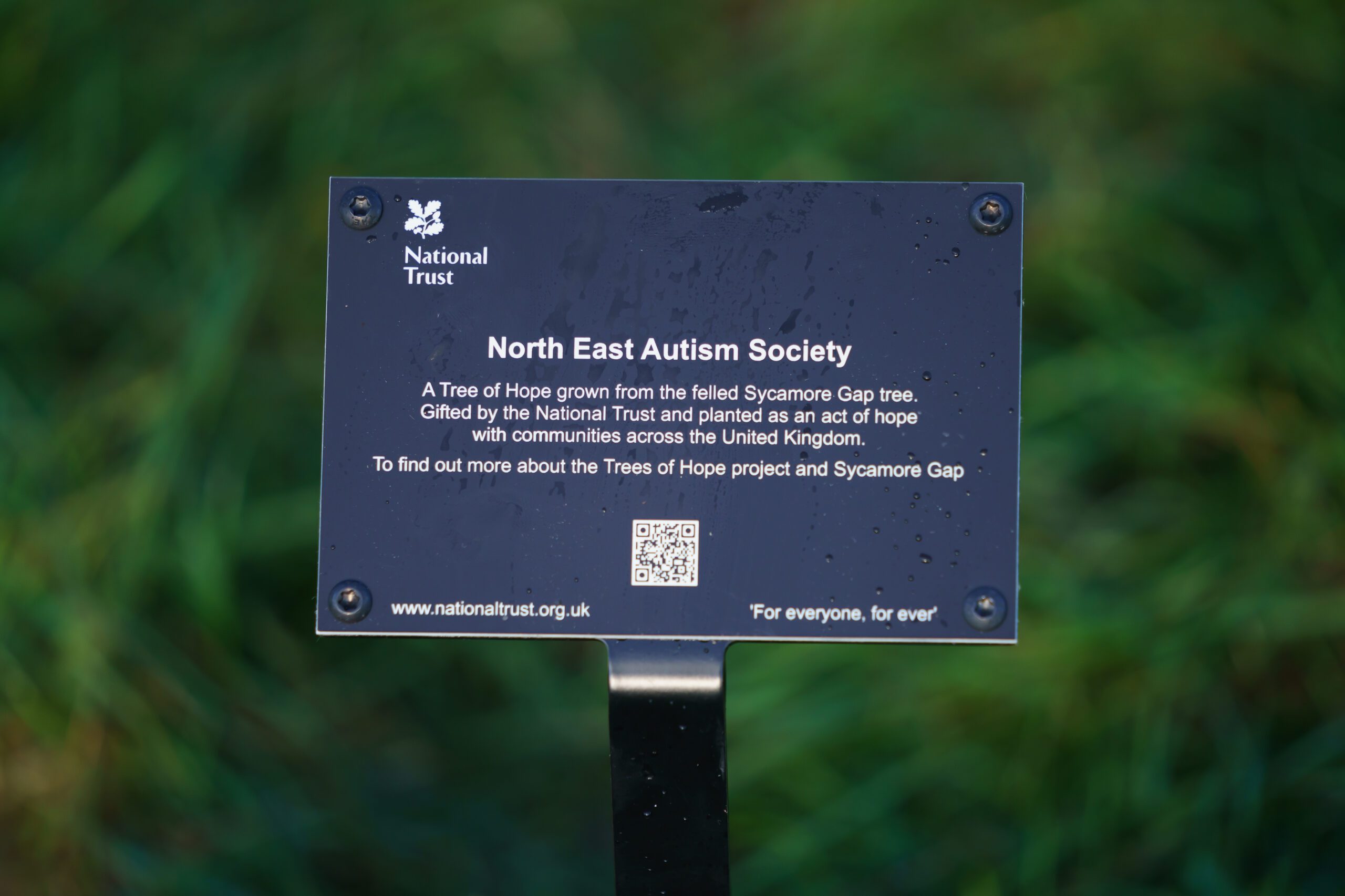
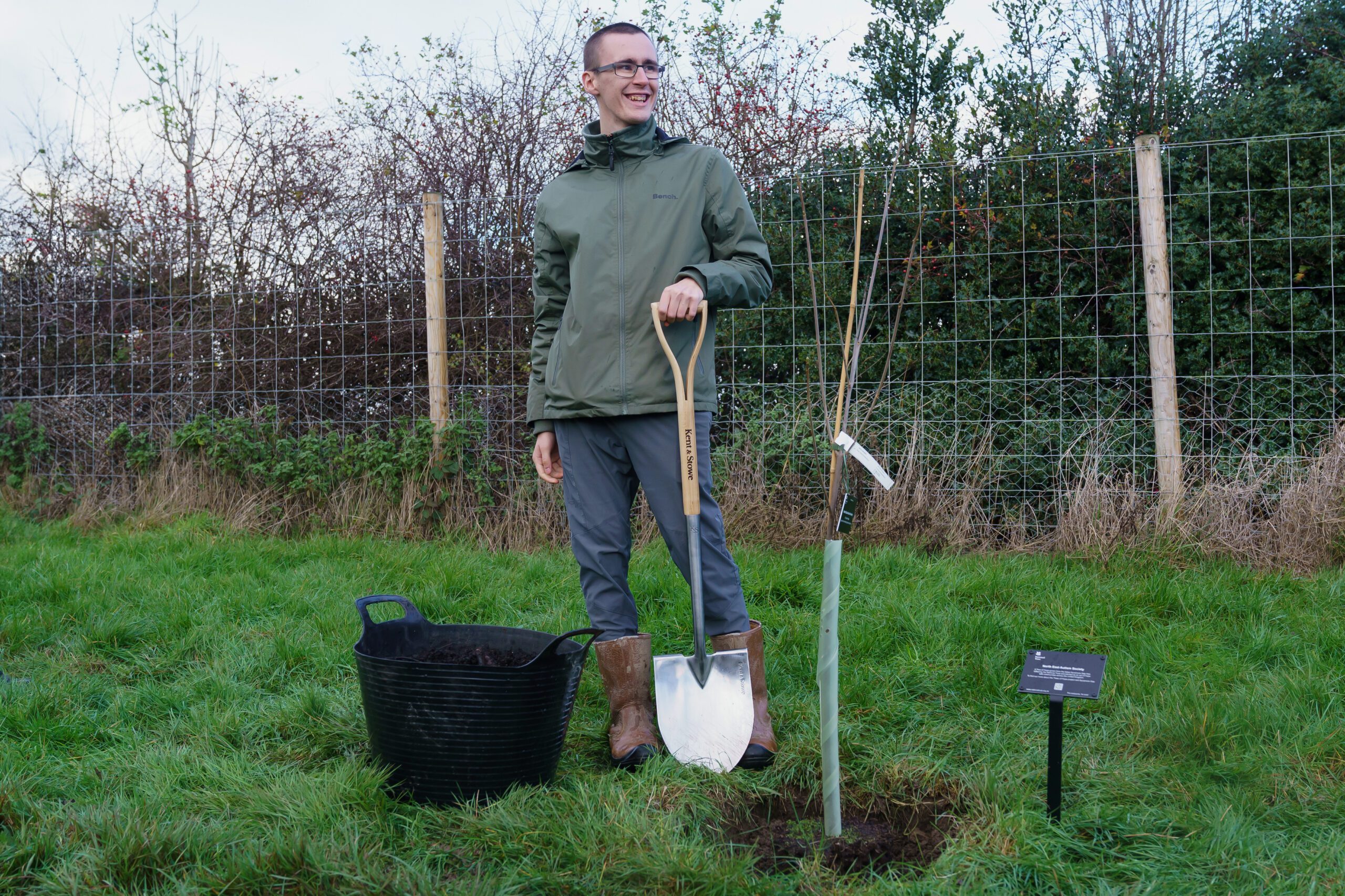
At the centrepiece of the ceremony was the planting of one of 49 saplings from the felled Sycamore Gap tree that have been donated to charities and community groups as “Trees of Hope”.
John says:
“The sapling is very symbolic because the farm project is dedicated to helping autistic and neurodivergent people to grow, and giving them hope of a better future.”
Though he’s retiring next year after a 50-year career in education and social care – the past 20 as NEAS CEO – John’s passion for the farm project means he will stay on in a consultancy role until it is completed.
While transformational progress has already been made during John’s tenure as the North East charity’s CEO, his national impact should also not be underestimated: he spent six years as Chair of the Autism Alliance, while also advising the all-party parliamentary group on autism, and the advisory group for the Royal College of GPs.
His career even included being part of a Durham County Council delegation of experts who were sent to advise Russian authorities on how to manage an unsustainable number of children going into care.
Now, as he approaches a well-earned retirement, he describes the farm project as “the cherry on the cake – something I have to see through to completion”.
Born in Newcastle, the inspiration for John’s long career in education and social care can be traced back to when he was 14 and volunteered at a local youth club for disabled children. It led to a school report predicting he was destined to pursue a career in social care.
He’s gone on to enjoy a challenging but rewarding career in the sector, starting with Newcastle City Council in 1975, where he qualified as a social worker. Senior roles with Barnardo’s and North Tyneside Council followed, culminating in him becoming the authority’s Director of Social Services.
After becoming tired of local government politics and bureaucracy, he wanted to return to a role that enabled him to support service-users, and responded to a newspaper advert seeking the first CEO of what was then the Tyne and Wear Autistic Society.
He was appointed in August 2005, and the charity was renamed the North East Autism Society four years later as the focus was shifted towards personalised care.
“The services had been based around what was convenient for staff, rather than the service-users’ needs,” he recalls.
“Instead, we needed to see the person: what motivated them; what caused them stress. Getting the services right made a massive difference.”
The progress over those two decades is clear. Staff numbers have risen from 360 to more than 1,200, with the budget increasing from £9m to £41m as demand and services have grown.
From one school, there are now four, with a wider, regional reach, and the number of residential homes and independent supported living homes has grown from four to 36.
In 2013, the charity opened the North East Centre for Autism, in Newton Aycliffe, which is also home to Thornbeck College, an independent, specialist college.
Services provided by NEAS also include pre and post diagnostic services, short breaks, day services, and a range of family support.
In 2016, the charity launched its Employment Futures department, which has gone on to support over 450 autistic people into training, work experience and jobs.
Six years earlier, NEAS had taken the ambitious step of buying the 78-acre New Warlands Farm site to develop it as a vocational training centre, and the launch of Employment Futures inspired fresh discussions around how the farm could make a bigger impact.
John explains:
“We realised there’d always be a cohort who wouldn’t find jobs and needed more time to build confidence and skills – the farm gave us so many opportunities."
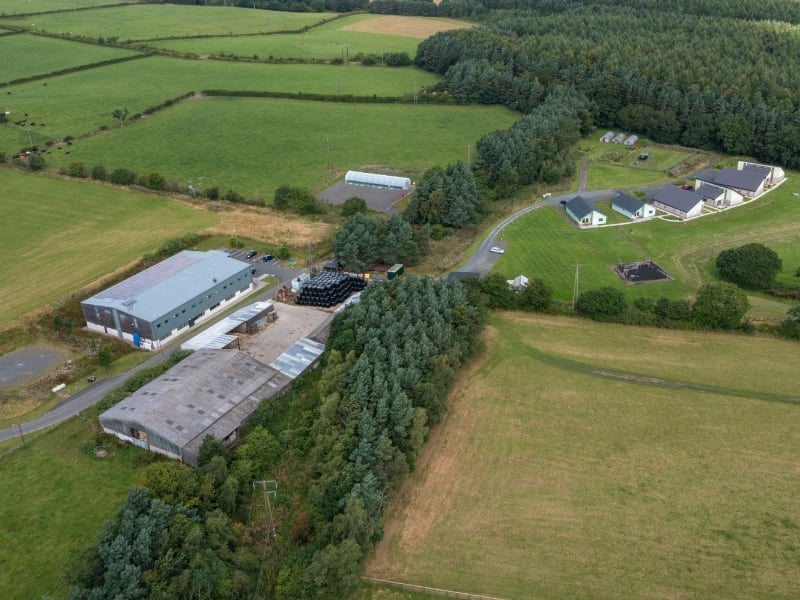
Those Employment Futures discussions have now borne fruit, with development work starting at the end of November to create a working farm that is scheduled to open by next summer, providing a range of jobs, training and work experience opportunities, as well as becoming the region’s newest visitor attraction.
The development will feature a farm shop, restaurant, cider press, retail outlets, a petting zoo, and wildlife havens, and an experienced farmer – Dave Wilde – together with his border collie, Joe, has been recruited to support the project..
World-famous artist Mackenzie Thorpe, a proud patron of the charity, is producing designs that will be incorporated into the site, and a host of businesses have rallied to calls for support.
For example, Nissan are among companies providing volunteer manpower, Ringtons will train autistic people to become baristas in the café, and talks are progressing with the famous Thatchers cider company.
With planning permissions in place, the ground-breaking ceremony was carried out by the Vice Lord Lieutenant of County Durham, Michael Poole. The highly respected businessman was assisted by two young people – Joseph Going, and Keiran Halsall – who are among those whose lives have already been enriched by working at the farm.
“It’s more fun being in the fresh air,” says Keiran.
“It feels good to be doing the farm work and I’ve learned a lot – when I’m here I feel more alive.”
It’s the kind of life-changing impact that’s driven John Phillipson throughout his career, culminating in the farm project that means so much to him.
“When I started, autistic people were ‘viewed as patients who suffered from a condition’. Over the past 20 years, we’ve come to recognise more and more the specific challenges that autistic people have, the qualities they can bring to employers, and why they need personalised support to help them reach their full potential,” he says.
“If we can make the farm a special place where they can develop skills to lead meaningful lives, that will be priceless.”