“Everyday life can be difficult – not being understood, or presenting differently from how I’m feeling which can be confusing for people. And I now recognise that I probably masked every day of my life, which led to burnout.
“So there’s that level of understanding and lived experience that a neurotypical person might not have. When you say, ‘I get it’, people tend to believe you a little bit more because they think, ‘I know she’s autistic, so of course she gets it’.”
However, her team have a variety of specialisms and deal with a huge range of clients. They are currently supporting new mums and babies, offering counselling for struggling parents, baby yoga and baby massage sessions.
They also work with children who have suffered abuse as well as victims of human trafficking.
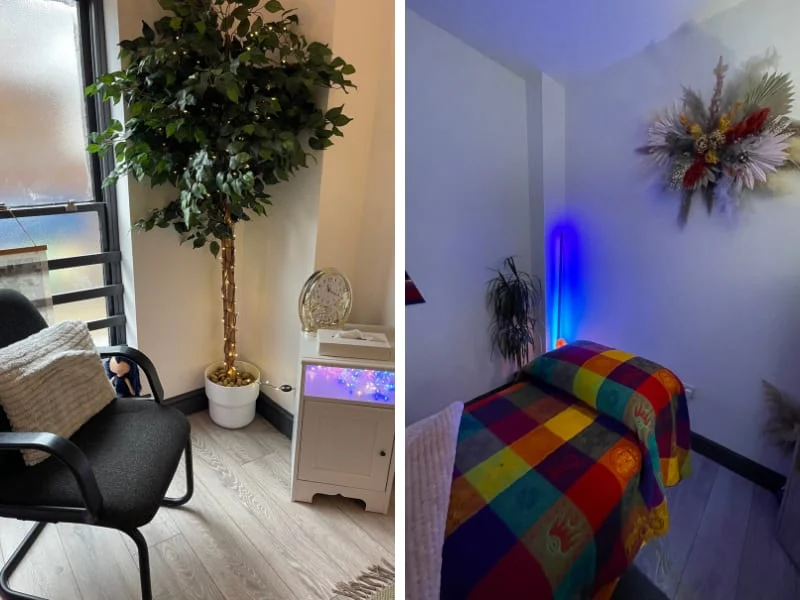
They reject a one-size-fits-all approach to mental health support. “You come as you are and we see what comes up,” Nicola says.
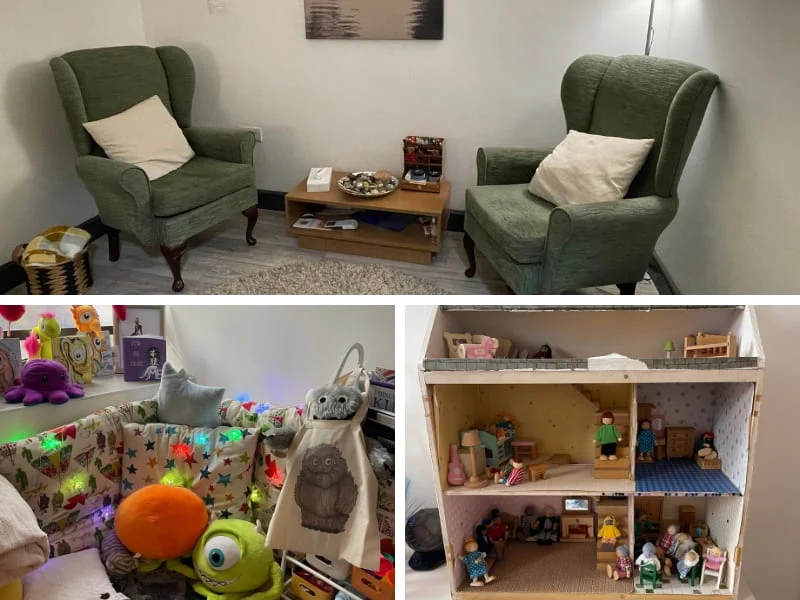
“Some people like to just come and chat, some people like to come and be arty and not speak at all. With the children, we work a lot through play depending on their sensory needs.