EMOTIONALLY based school avoidance (EBSA) has impacted not only Eliza Fricker’s personal life, but her professional life too, having watched her daughter struggle within the bounds of mainstream education throughout nursery and primary school.
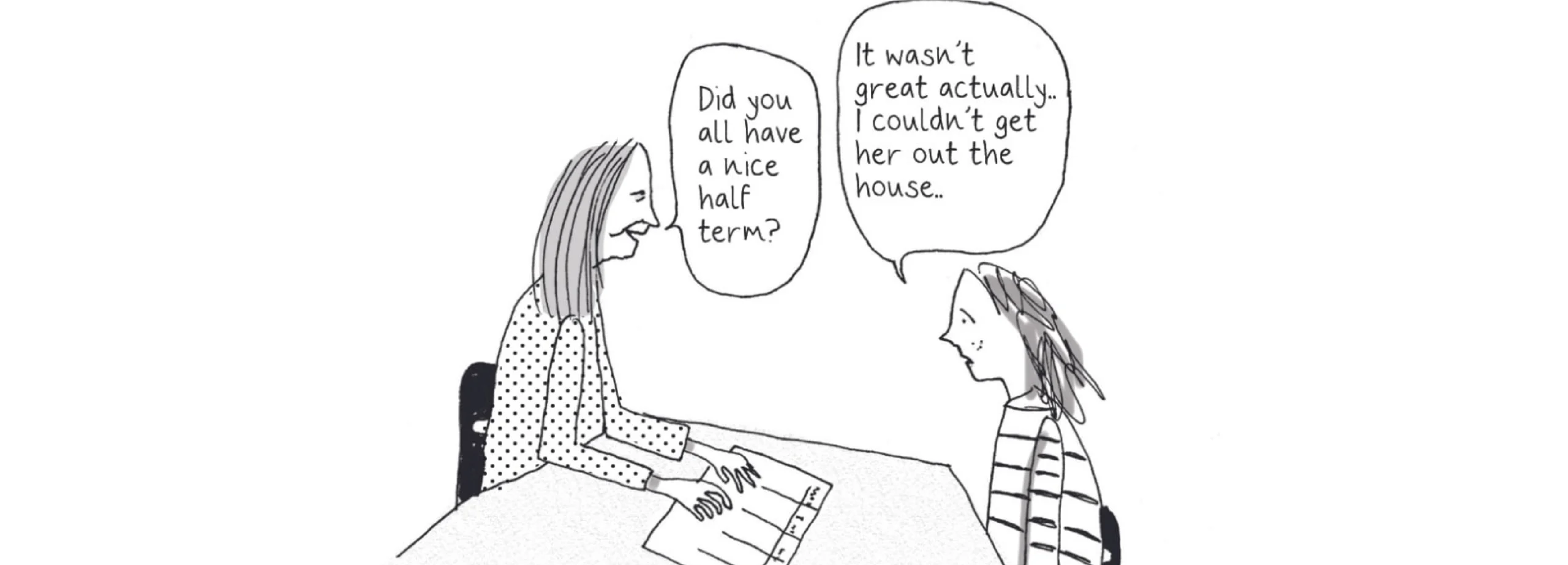
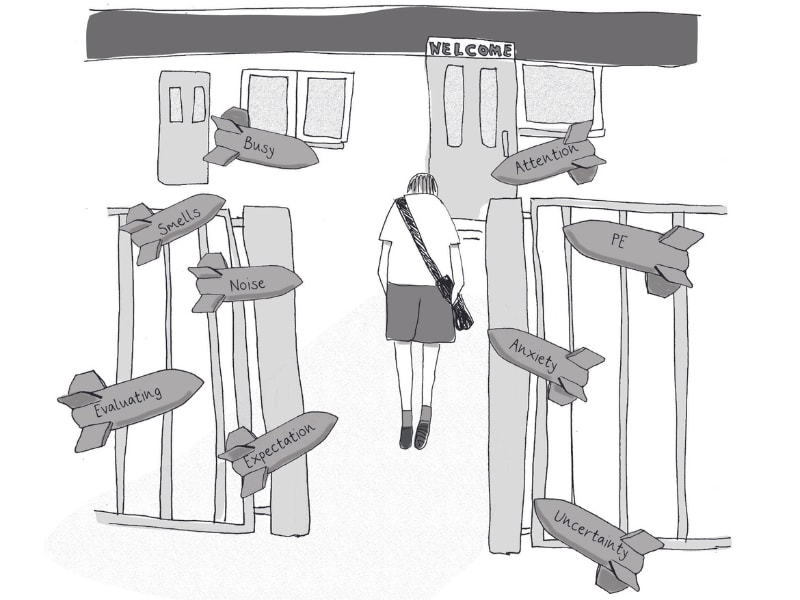
From a young age Eliza’s daughter struggled with transitions at the beginning and end of the school day, and, as the years went on, she became increasingly distressed and dysregulated by the school environment.
Even after she was diagnosed autistic at the age of seven, and subsequently secured an EHCP, Eliza’s daughter continued to mask her feelings at school – until, at the age of 11, she had what Eliza describes as a “catastrophic breakdown”, resulting in her being home tutored for two years, before moving into a more suitable, trauma-informed education provision.
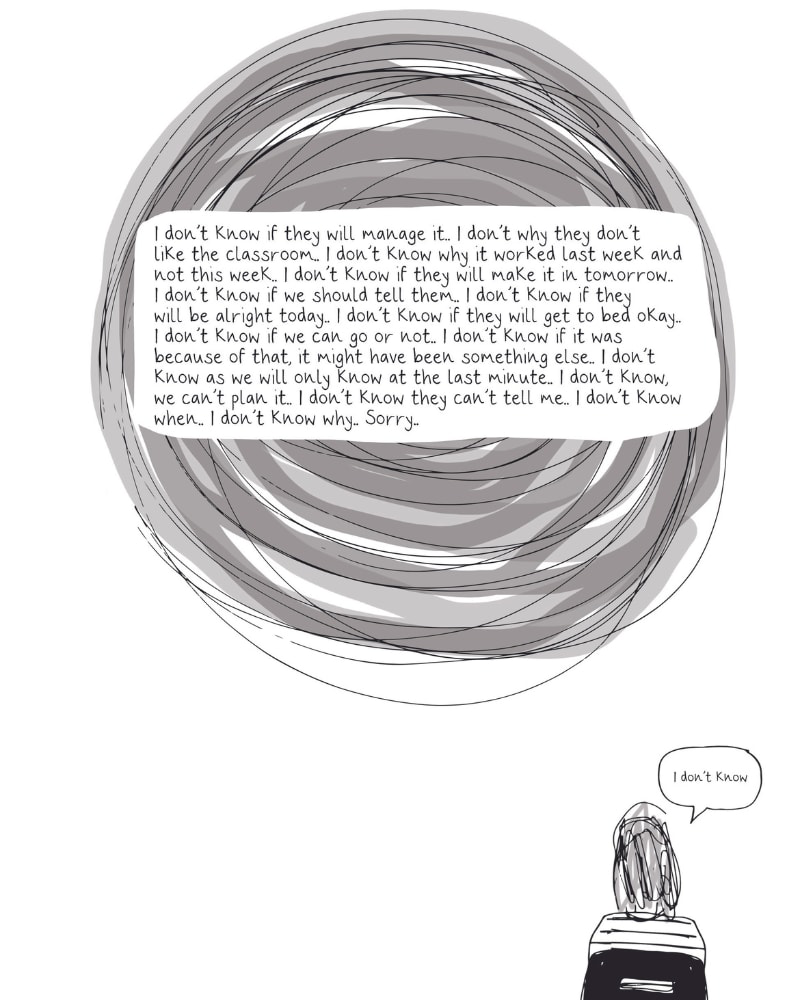
As part of our Everyday Equality: Health campaign, Eliza is opening up about the experience and how it impacted her daughter’s health and wellbeing, as well as the mental toll it took on her as a mother.
“It probably started as young as when she was at nursery, but when you’ve got a crying toddler you’re told ‘It’s fine, they will learn to get on with it’,” Eliza explains. “Then, as she got older, the level of distress we were seeing at home became unmanageable and it was very much linked to the school day.”