“But I find it easier now, because even if something is not possible immediately, they try their best to work with me for a solution.”
As a result, Harris has changed her working pattern from two full days to three five-hour days. She has an allocated desk, and she’s allowed to listen to music over headphones to help her focus on her screen.
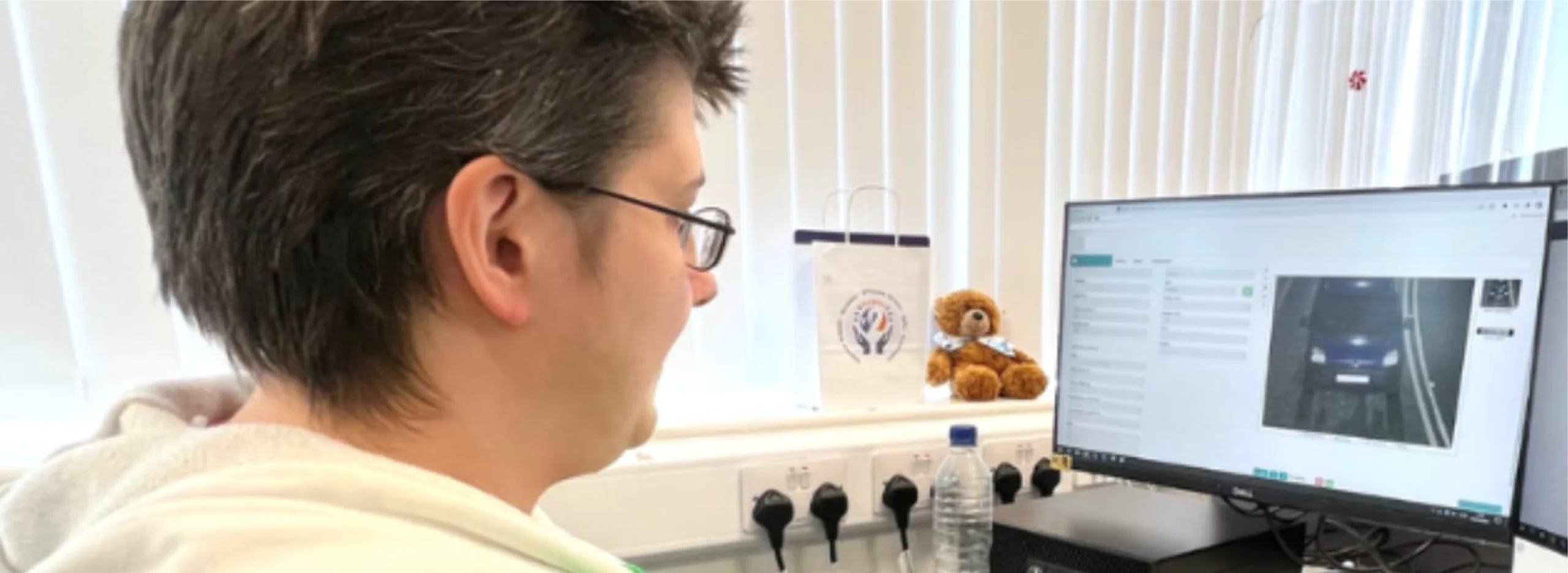
Harris loves her job, which involves reviewing pictures from automatic number plate recognition cameras and matching them to the payment system. It gives her a routine, it boosts her self-esteem, and she enjoys the challenge of getting it right.
And TT2 also benefits. Harris is precise and focused in her work and takes pride in her productivity statistics, which she logs in a little book.
“Lots of people come up and say they couldn’t do what I do for more than an hour, because they’d get bored and hate it,” she says
“But I find it fun! I review thousands of images a month. Neurodivergent people are often very hard-working, especially at stuff that they’re good at.”
If you are interested in finding out how to support neurodivergent colleagues or make your workplace more accessible, join our campaign for an Inclusive Future and become part of our network.