Why Autism Acceptance Matters
During Autism Acceptance Week we find out from CEOof NEAS, John Phillipson why autism acceptance truly matters.

For 16 years Lisa Taylor and Kerrie Highcock have helped support autistic and neurodivergent individuals and their families as part of the North East Autism Society.
This unrelenting commitment to change the lives of vulnerable individuals has been shaped by years of mutual lived experience.
A lived experience shared by roughly 1 in 5 children in the UK.
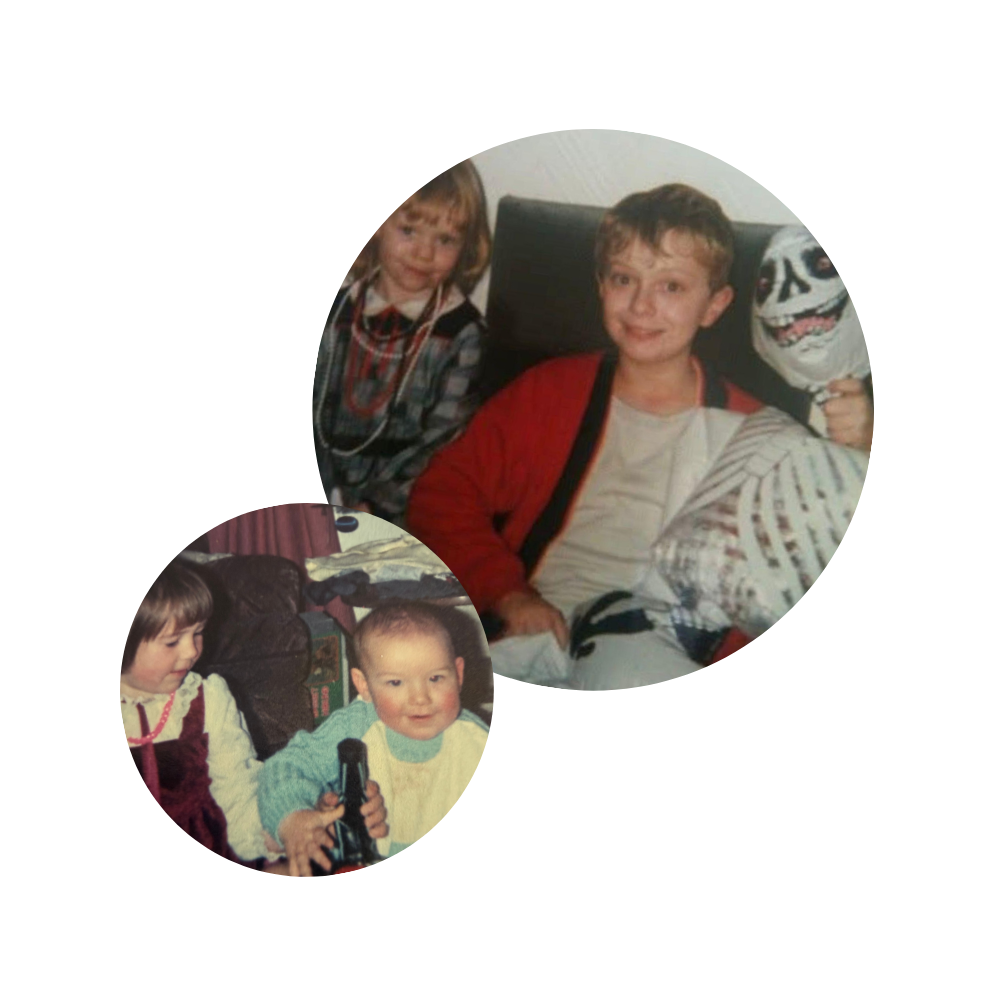
Lisa and Kerrie grew up as young carers.
The level of responsibility bestowed upon a young carer often requires a level of rapid, and instinctual, maturity.
“I had to grow up very quickly from a very young age,” said Lisa. “From the age of three I didn’t know any different. I just automatically stepped up and took on the big sister role.
“My Dad worked double shifts, and my younger brother was a little tearaway, so Mam needed support – not that she ever put any pressure on us to do so.
“You just grow up wanting to protect the ones you love – it’s pure instinct.”
That supportive and protective intuition was also prevalent for Kerrie, too.
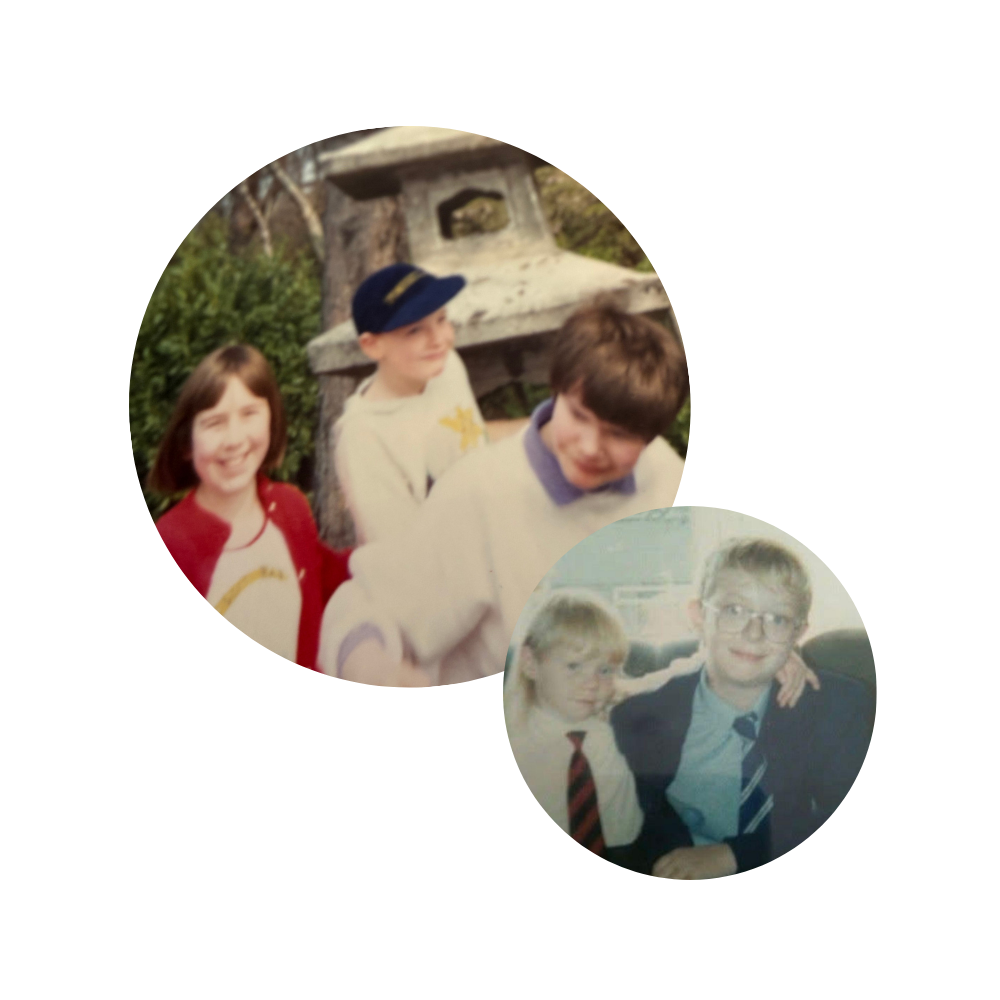
“You don’t really think you have any extra responsibility,” said Kerrie. “Supporting my older brother was just what I naturally did.”
Life at home only tells part of the story for young carers.
Back in the 90s support systems, general awareness, and navigating the complex world of schoolyard politics played a significant role in shaping the lives of young carers.
“Lee would get bullied quite a bit,” said Kerrie. “People would speak about him and be quite derogatory, saying some of the most horrendous things. That was probably one of the main things that would affect me.
“It made me really upset because you have no control over the things other people say and do.”
A poignant sentiment echoed by Lisa, who tried to remain relatively inconspicuous at school.
“I did struggle at school,” said Lisa. “I tried to keep myself to myself because kids can be mean and I wanted to protect myself from being bullied.
“I just didn’t know of anyone else who had siblings that were disabled or neurodivergent, so it often felt like we were the only family that was ‘different’ and if you were different at school back then you were targeted.
“If I could go back, I would tell my younger self that you’re not alone and that it’s okay to talk about your feelings.

Fast forward to 2026 and a lot has changed from a social standpoint.
Not only is there a greater awareness and understanding of young carers and those they care for; there are more support systems available than ever before. A stark contrast to how things used to be.
“As far as I was aware there was nothing in terms of support when I was younger,” said Kerrie. “Being a young carer does have a massive impact on your emotional wellbeing.
“That’s why it’s incredibly important to share your experiences with people going through similar things.”
Sharing experiences is exactly what Lisa did growing up alongside her younger brother, Andrew.
“Me and my brother were a support network for each other growing up,” said Lisa. “We had a really close bond and we could chat about absolutely anything.
That said, I’m thankful there’s now much more formal support available for young carers, because back then there was nothing, and absolutely no one talked about it.”
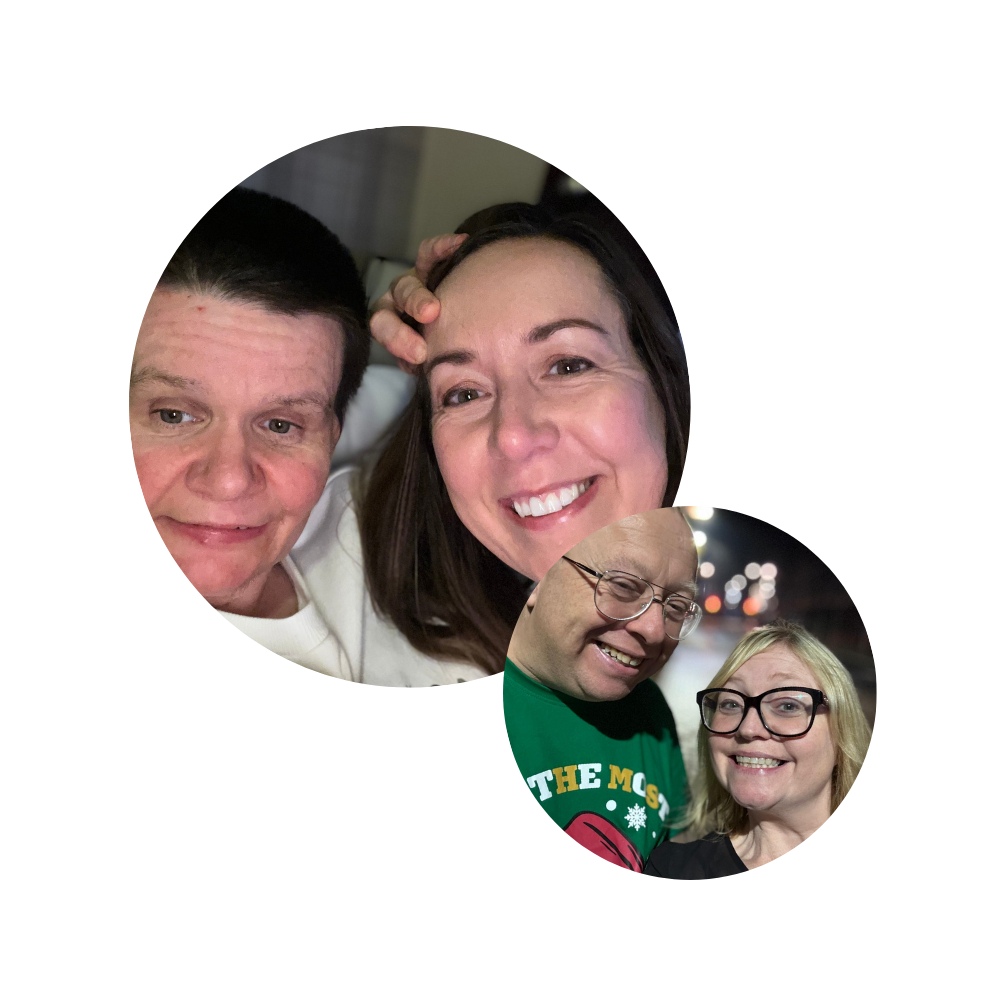
For Lisa and Kerrie, the impact of providing care from a young age had a profound effect on their careers, and the people they’ve become.
“When I look at my role of being a young carer, it’s completely shaped who I am today,” said Lisa. “I’m really proud of that. Having those experiences when I was young has made me the person I am today.”
“I got into this line of work because, from a very young age, I had this real sense of justice,” said Kerrie. “I wanted to make the world better, and I know that sounds really cliche, but that’s probably one of the main reasons I wanted to work with autistic individuals.
“At 18 I found a job in autism services and I never really looked back. I think this is where I was destined to be.”

It’s easy to overlook the fact that behind all the personal sacrifices and emotional turbulence that a young carer experiences, sits a beloved family member.
“I wouldn’t change Lee for the world,” said Kerrie. “We’ve got a really good bond. He’s absolutely class, has a cracking sense of humour, and a real deep sense of empathy. More than anything though – I’m just so proud of him.”
“I absolutely adore Joanne,” said Lisa. “I wouldn’t have her any other way. She’s living her absolute best life – she’s always away on a trip somewhere and she loves going out for a coffee.
“She’s just the sweetest, funniest person. Without Joanne, I wouldn’t be the person who I am today.”