Dan pursues career goals at New Warlands Farm
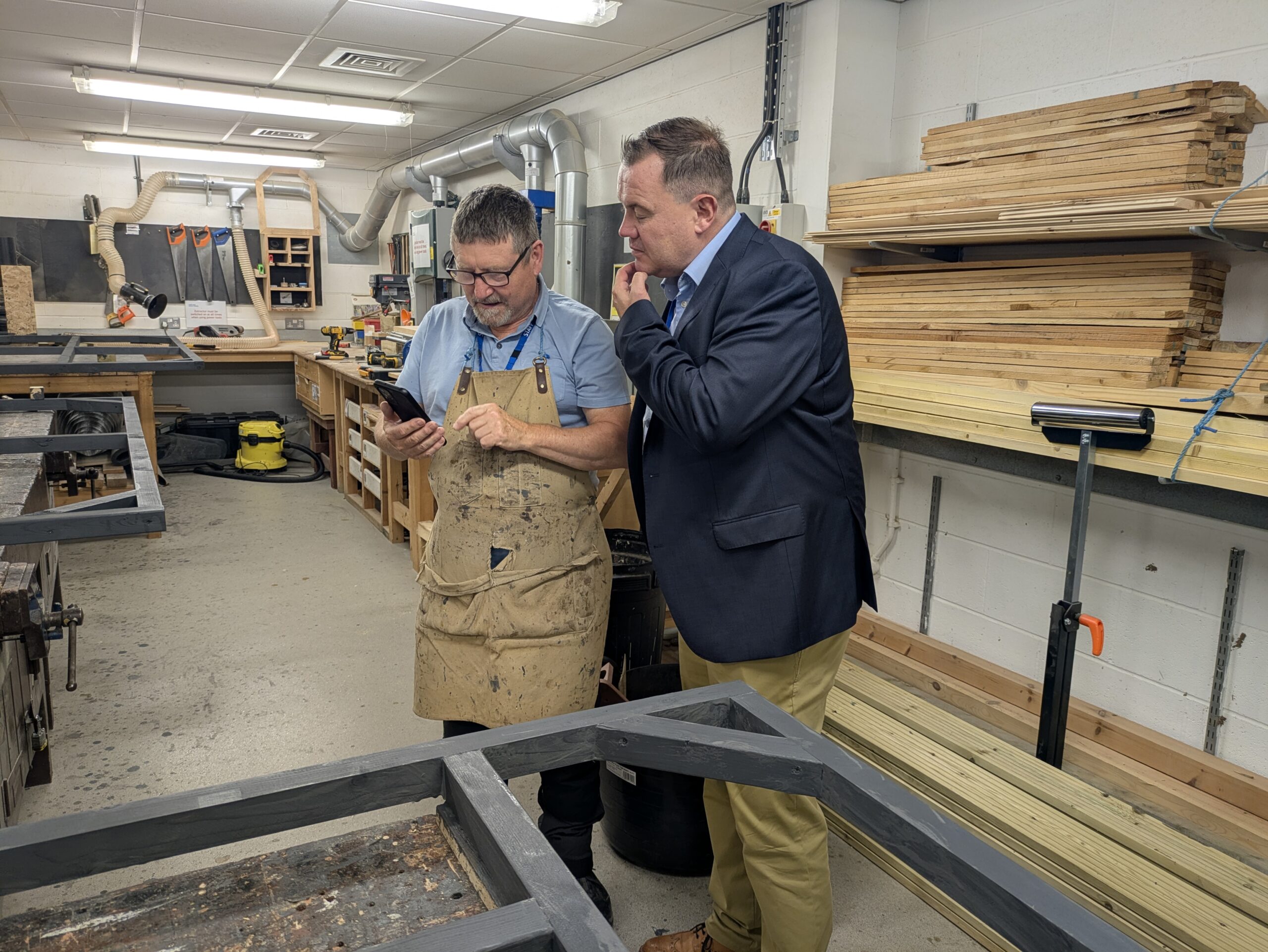
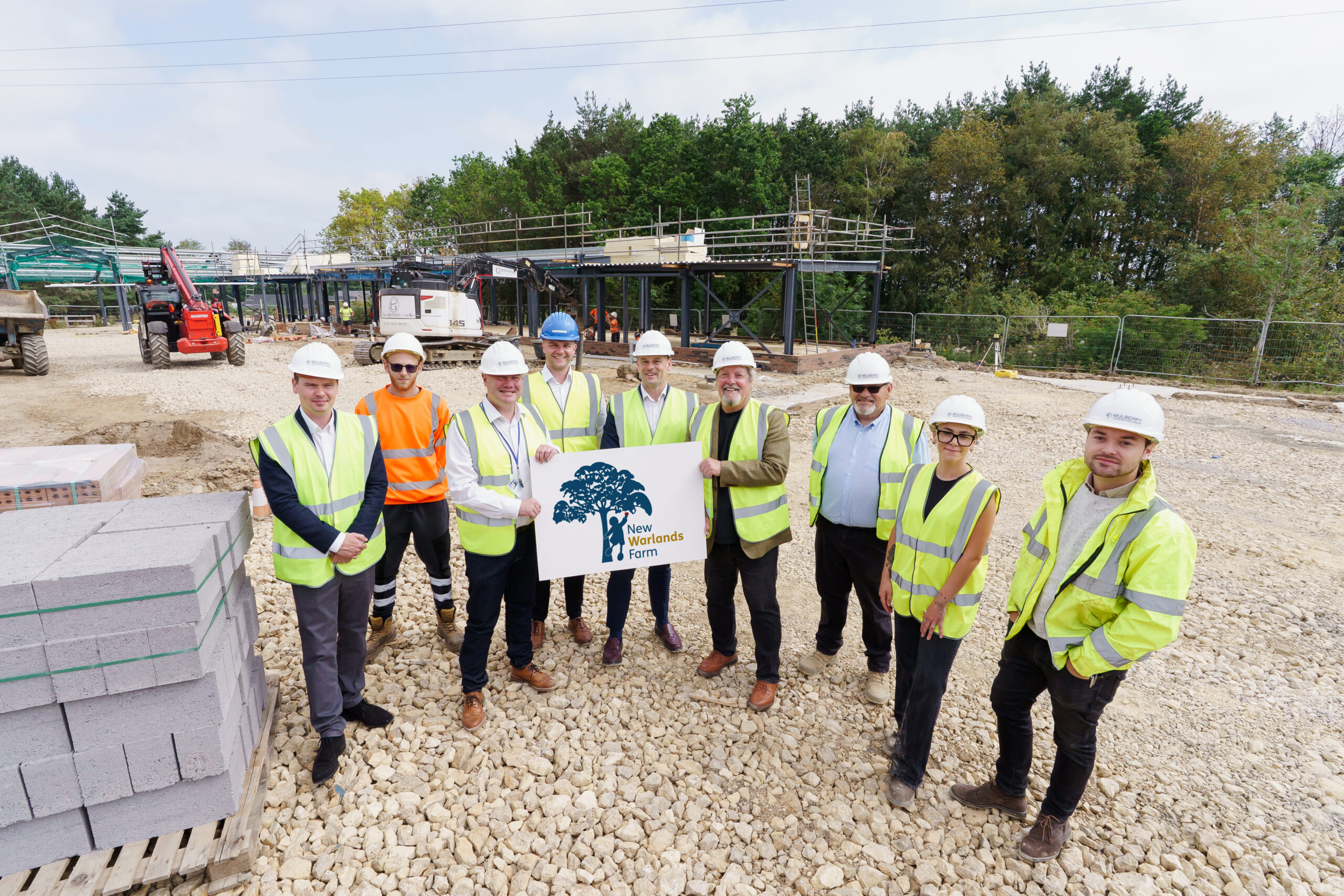
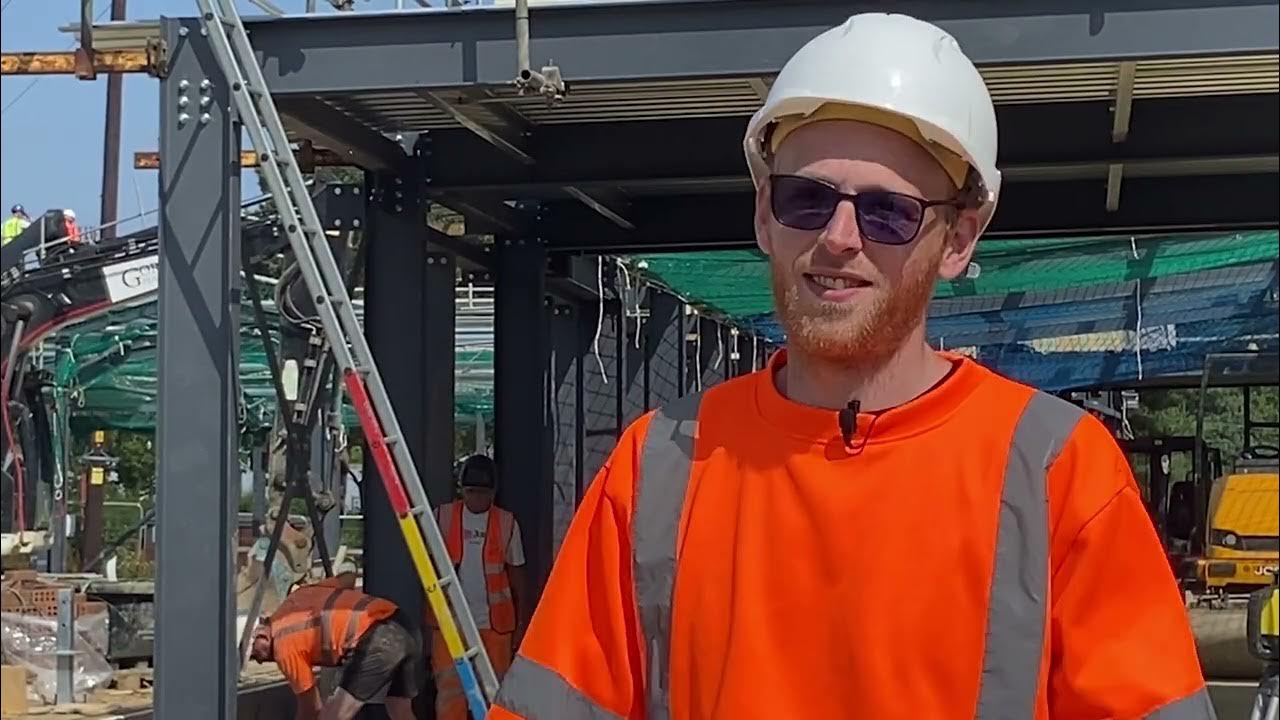
After trying his hand at everything from catering to roofing, 34-year-old Dan has found the opportunity to progress his career at New Warlands Farm.

NEAS chief executive John Phillipson was invited to the House of Lords to give evidence to its inquiry into how well the Autism Act 2009 is working.
John appeared as an expert witness at the House of Lords committee and emphasised the lack of community support for autistic adults and their families.
He told the Autism Act committee: “I am really glad you have given me the opportunity to highlight one of the most significant inequalities in our society today.”
The Society is also putting together two powerful videos on stigma and on education to send to the committee.
The Autism Act was passed in 2009 to require the government and local authorities to have a strategy to improve services for autistic people. The House of Lords is examining how the act is working and what the government should do next.
John said the Act had raised awareness but failed to set out clear objectives or hold anyone to account. He added:
“There needs to be better local coordination between housing, social care, health and other agencies, and someone who oversees that."

He gave the example of an autistic man who moved into his own home, supported by NEAS, after 43 years of detention in a mental health hospital. “As he described to me, he is living his best life,” John said.
“The quality of his life has improved immeasurably. It is £4,500 a week to support him in his own accommodation – versus £19,000 a week in the hospital he was in before. There are good financial arguments for doing the right thing.”
John also argued that lengthy waiting lists for diagnosis, the difficulty of seeing a GP, lack of autism training for professionals, and the stigma faced by autistic people were further barriers to accessing support.
"We are meeting a lot of people who are highly stressed and burned out because they are trying so hard to live by the rules of somebody else’s game, and the impact that has on mental health is tragic.”
He called for an autism commissioner or minister to oversee a national autism strategy, and for more support with employment, mental health and diagnosis to prevent people reaching crisis point.
“I have had lots of conversations with autistic people who have said, ‘It is great that people are having these conversations, but wouldn’t it be nice if something happened?’,” he said.