Mackenzie Thorpe praises school named in his honour
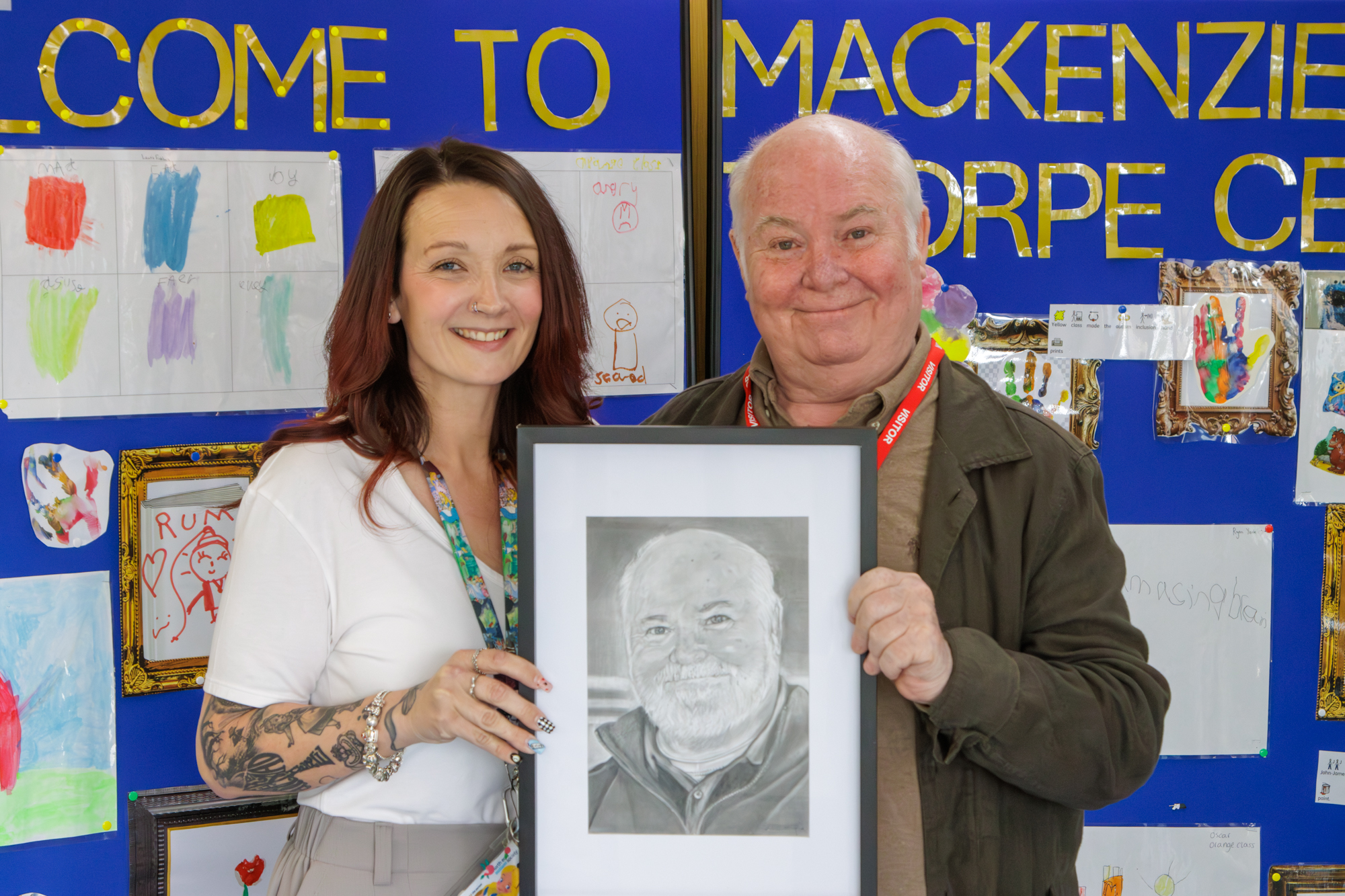
The world renowned artist and NEAS patron praised the Mackenzie Thorpe Centre during a visit to the Middlesbrough school.
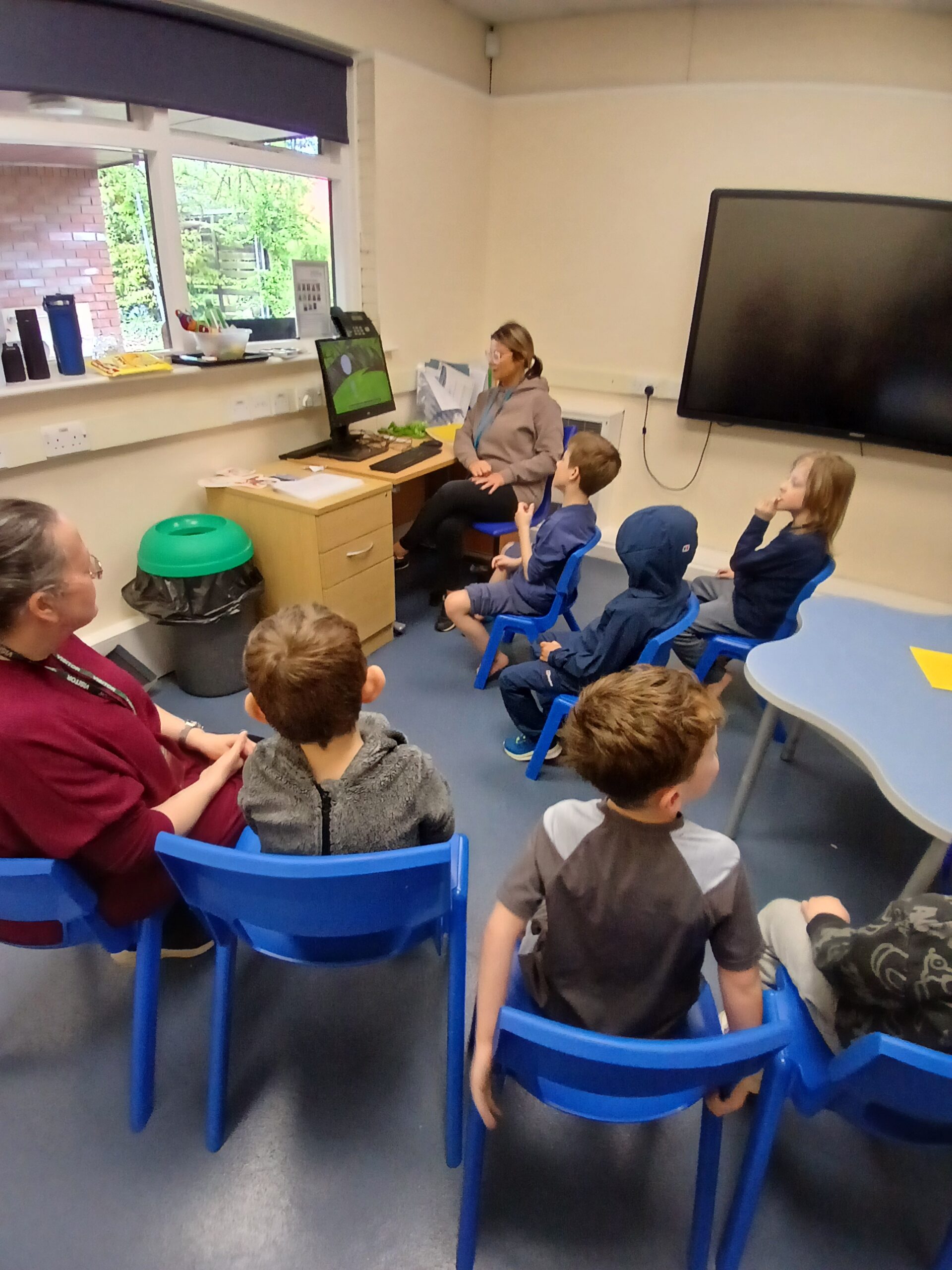
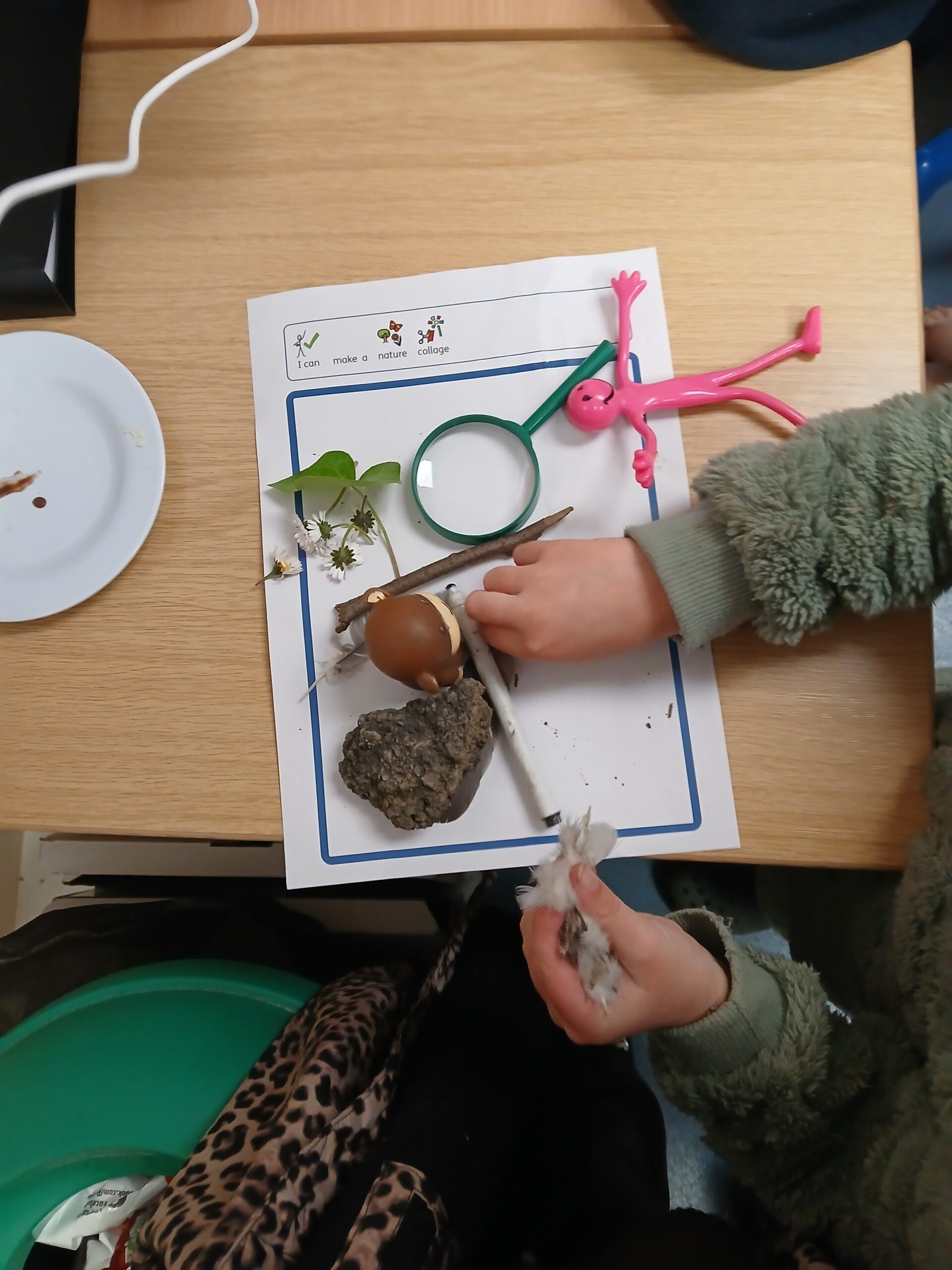
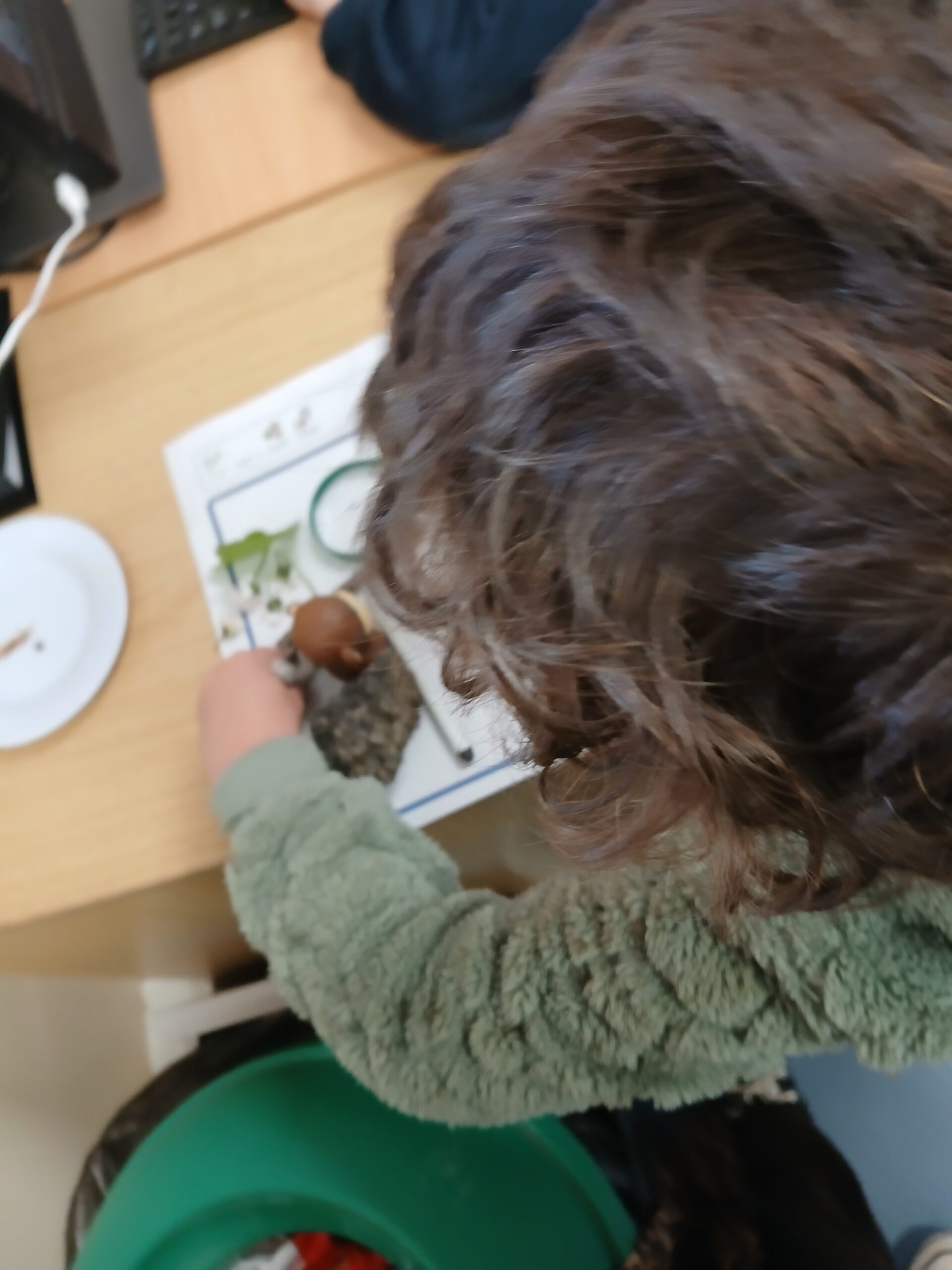
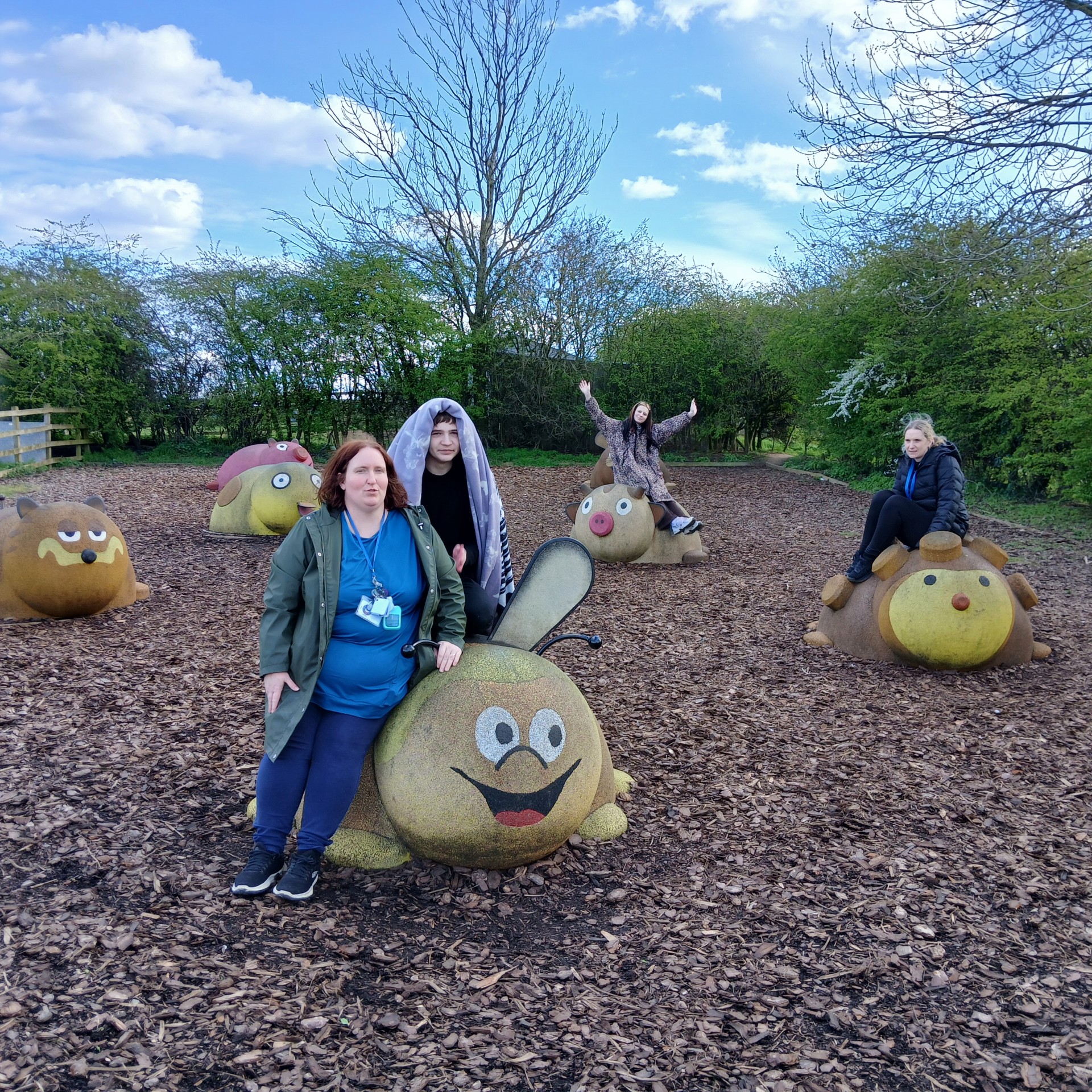
As part of their community inclusion work, Yellow Class have been exploring the forest environment, discovering nature and their surroundings, and have created a beautiful nature collage inspired by their experiences.
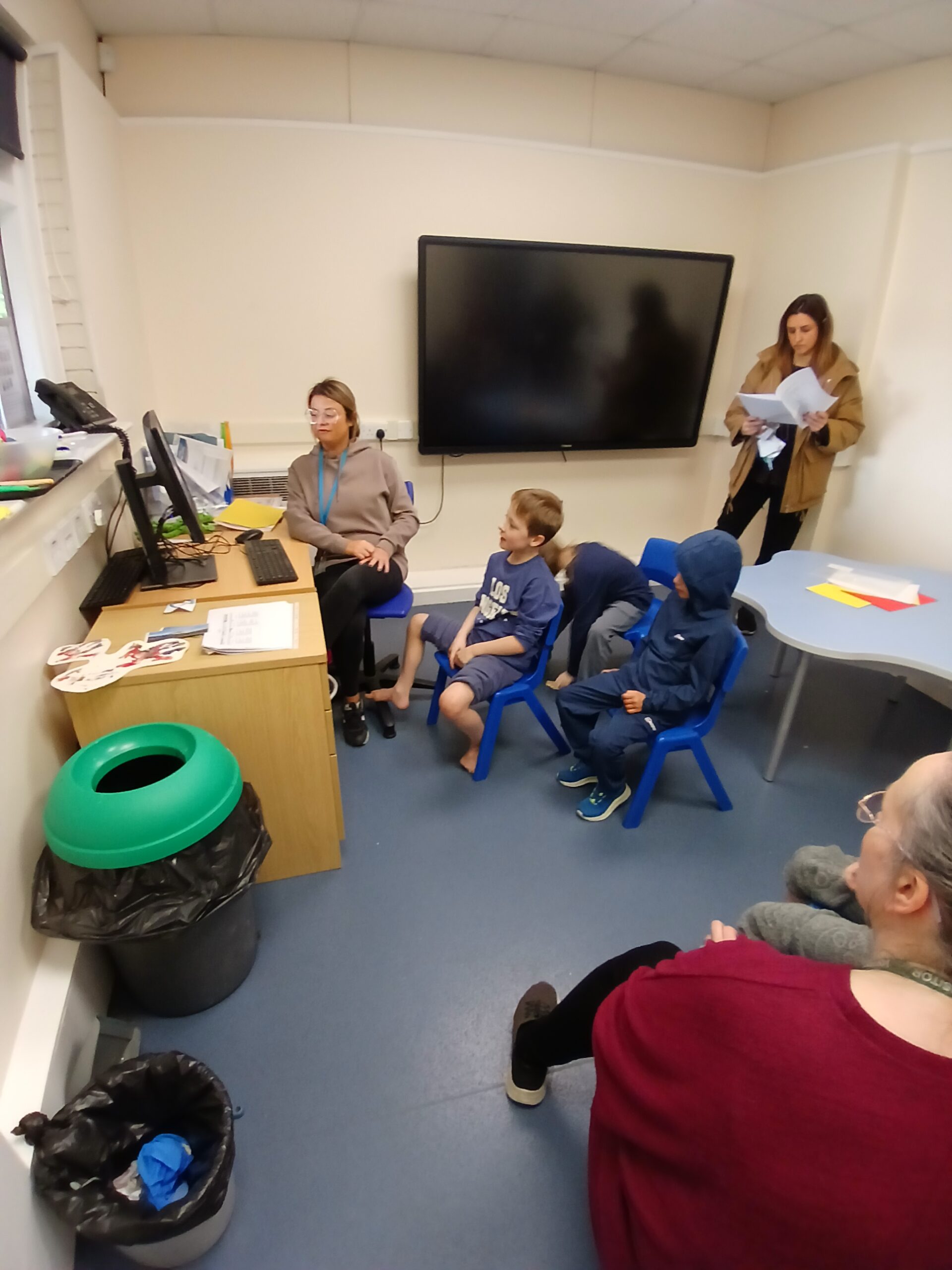
As part of their English, the class have engaged with the book The Very Hungry Caterpillar, using it as a foundation to explore a range of sensory elements within the story. They have demonstrated an emerging understanding of the butterfly life cycle and have successfully recalled key events from the narrative with increasing confidence and independence.
In Mathematics, the class have been developing their understanding of both two-dimensional (2D) and three-dimensional (3D) shapes. They have been learning to identify and name a range of shapes, recognising their key features and properties. Learners have also been working on matching corresponding 2D and 3D forms, showing increasing confidence and accuracy in their learning.
In Geography, the class have been exploring a range of significant landmarks, developing their understanding of their features and importance. Building on this knowledge, learners designed and created their own landmark models using clay, demonstrating creativity while applying their learning through a hands-on activity.
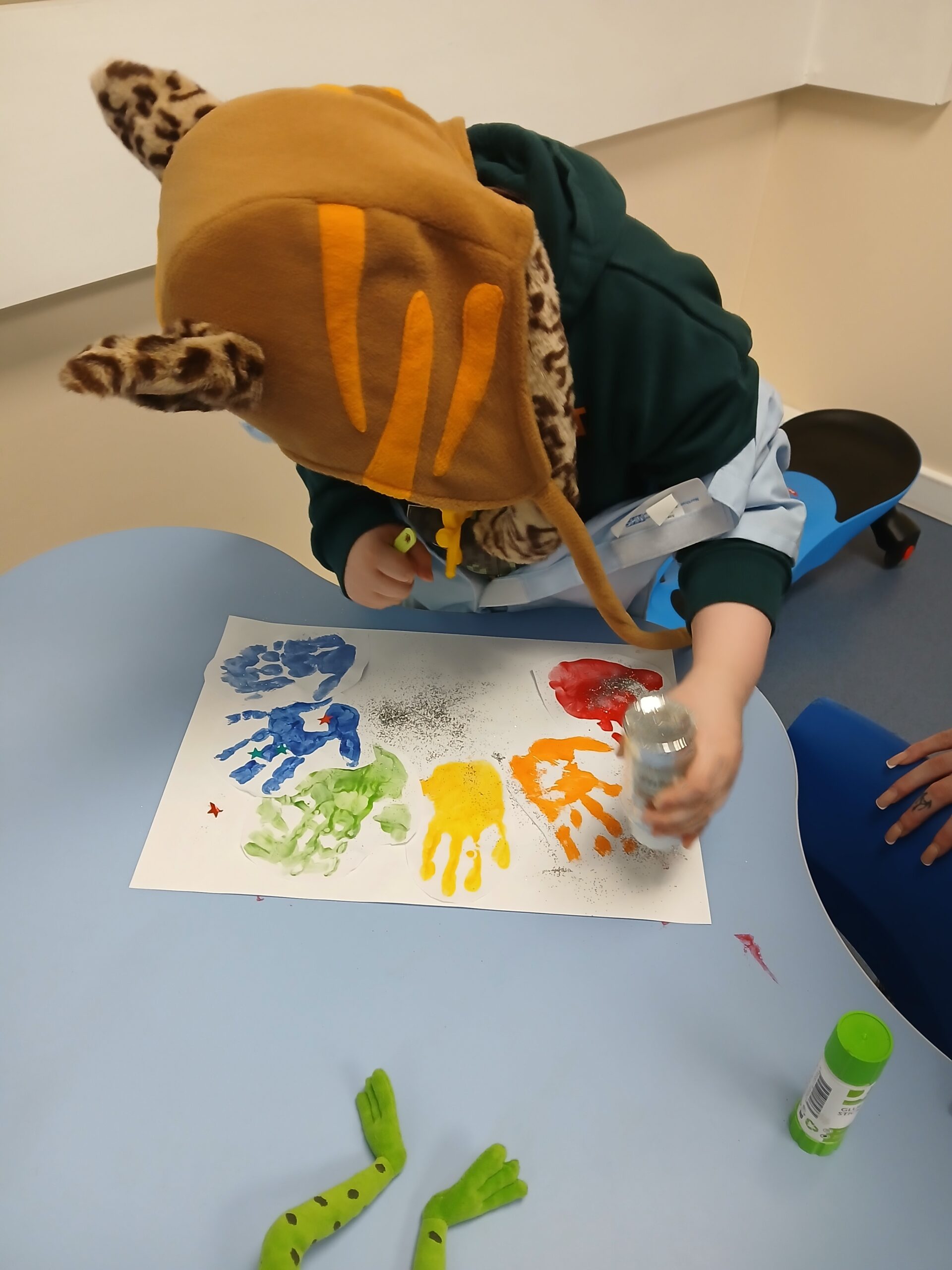
In art, the class used their handprints to collaboratively create a vibrant rainbow display in celebration of National Autism Awareness Month. This activity not only promoted creativity and inclusivity but also resulted in a meaningful piece of artwork to be proudly showcased on the school’s art board.
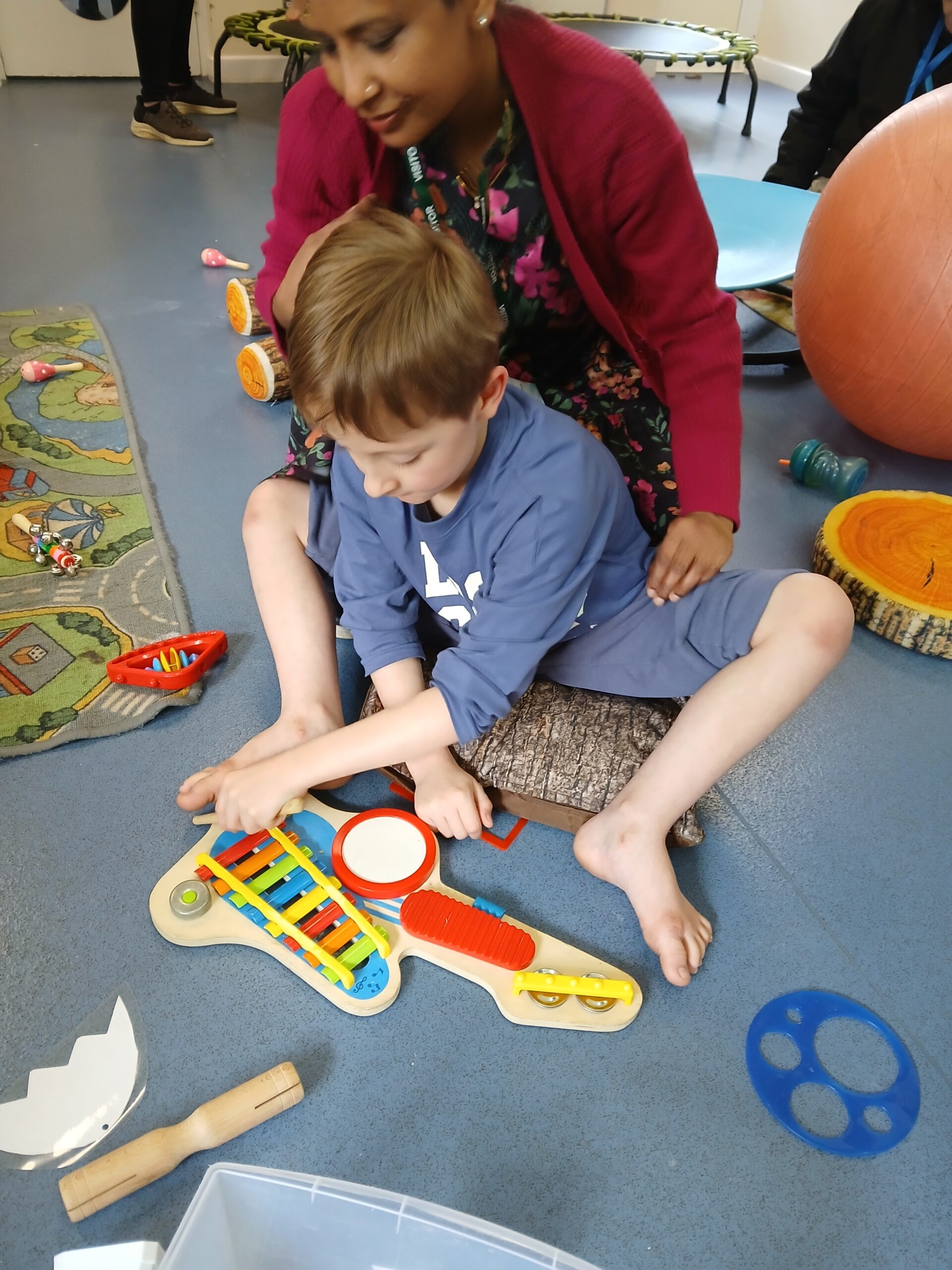
In music, the class explored a variety of instruments to develop their understanding of different sounds, tones, and musical notes. This hands-on experience allowed pupils to experiment creatively while building confidence in using unfamiliar instruments. In addition, the session included an interactive listening and recall activity in which a staff member performed a sequence of sounds, and the class was challenged to replicate the pattern using their own instruments. This exercise supported the development of auditory discrimination, memory, and coordination skills in an engaging and collaborative environment.